 English
 中文简体
 русский
 عربى


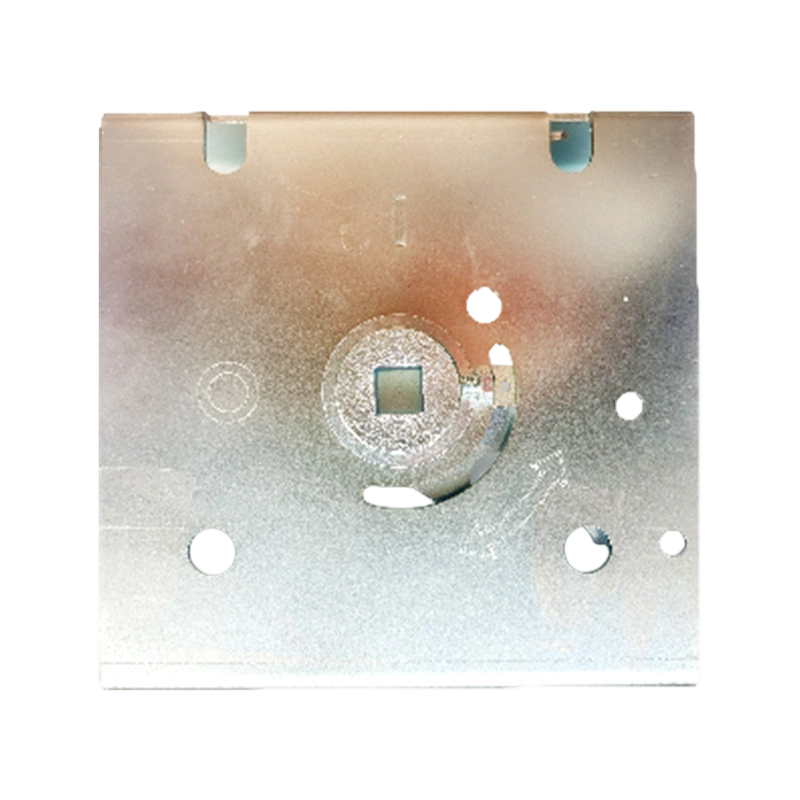
Featuring a simple structure with central operation and linkage-type transmission, this mechanism is compatible with three handle styles. It works with 63/100/250/400/630 frame molded case circuit bre...
See Details
Which Organizations Test and List Circuit Breakers? UL and Intertek Explained
Content
- 1 UL Solutions and Intertek: The Two Names Behind the Mark
- 2 Listed, Recognized, or Self-Declared: Why the Difference Changes Your Bill of Materials
- 3 What These Organizations Actually Test
- 4 Where Components Sit Across the Current Range
- 5 An Exploded View of the Parts That Carry the Mark
- 6 What the Listing Route Means for the Parts You Buy
- 7 A Checklist Before You Commit to a Component Change
- 8 Frequently Asked Questions
- 8.1 Q1: What are two organizations that test and list circuit breakers?
- 8.2 Q2: Is an ETL listing as good as a UL listing?
- 8.3 Q3: What is the difference between UL 489 and UL 1077?
- 8.4 Q4: Do MCCB accessories need their own listing?
- 8.5 Q5: How can I check whether a circuit breaker is listed?
- 8.6 Q6: Does IEC 60947-2 testing replace a UL or ETL listing?
Two organizations sit behind almost every circuit breaker listing sold in North America: UL Solutions, which issues the UL mark, and Intertek, which issues the ETL mark. Both are Nationally Recognized Testing Laboratories (NRTLs) recognized by OSHA, both test breakers against the same ANSI/UL standards, and both publish searchable directories that inspectors, specifiers and code officials accept.
If you buy or build the parts that go inside a breaker - moving contact assemblies, arc chutes, shunt trips, copper busbars - that answer is not trivia. It decides how much paperwork and testing follows a change of supplier. A component that already holds UL Recognition or ETL Recognition can often be dropped into an existing breaker file with modest effort. A component that has never been evaluated inside that file usually means a fresh test programme, paid for by the breaker manufacturer.
UL Solutions and Intertek: The Two Names Behind the Mark
UL Solutions was founded in 1894 and plays a double role: it publishes many of the standards breakers are built to, and it tests products against them. For molded-case circuit breakers the key document is UL 489, whose published scope covers breakers rated up to 600 V and 6000 A. UL issues two very different marks - UL Listed for a complete product, and UL Recognized Component, the UR mark, for parts that are installed in a factory rather than by an electrician on site.
Intertek runs a parallel route. The ETL mark is issued by an OSHA-recognized NRTL and is based on the same ANSI/UL standards, so a breaker carrying ETL has been tested to the same requirements as one carrying UL. Where a listing is required, the two marks are accepted on equal terms.
Other bodies appear in specific markets. CSA Group covers Canada, and IEC-based marks such as TUV are used in markets that work to IEC 60947-2. When someone asks which two organizations test and list circuit breakers, UL Solutions and Intertek are the two that come up first, because they are the two most widely used NRTL routes into the North American market.
| Organization | Mark | Main breaker standards | Typical scope |
|---|---|---|---|
| UL Solutions | UL Listed; UL Recognized Component (UR) | UL 489, UL 1077, UL 943, UL 508 | Complete breakers and the components inside them; also publishes many of the standards |
| Intertek | ETL, cETL, ETL Recognized Component | Published ANSI/UL standards, e.g. UL 489 | Same scope as UL; a parallel NRTL route to market |
| CSA Group | CSA mark | CSA C22.2 No. 5 | Canada; widely recognized alongside US listings |
| TUV Rheinland, DEKRA and similar bodies | Independent test report | IEC 60947-2 | IEC and CE markets outside North America |
Listed, Recognized, or Self-Declared: Why the Difference Changes Your Bill of Materials
A UL 489 listing is granted to the complete breaker, and the breaker maker is the listing holder. The parts inside are handled either through UL Recognition or by being evaluated as part of the breaker's own file. A UR file comes with conditions of acceptability: minimum creepage and clearance, mounting torque, insulating material, wire size and ambient temperature. Those conditions are the reason a part that looks identical to the original can still be rejected.
Change a moving contact assembly and you can change contact resistance, weld quality and over-travel at the same time. If the replacement does not match the characteristics recorded in the original file, the breaker maker may be able to file a variation notice - or may have to repeat temperature-rise and short-circuit testing on a complete breaker. That test bill is usually far larger than any saving gained on the component price.
 KYM-125/250/400/630/800 MCCB Moving Contact Welding AssemblyOEM moving contact welding assembly for MCCB frames 125 to 800, compatible with major brands; relevant when assessing replacement parts that affect breaker testing.View Product →
Europe works differently. There, CE marking is a manufacturer's declaration supported by a technical file; IEC 60947-2 test reports are evidence, not a listing. It is a legitimate route to market, but it is not a substitute for an NRTL listing when a North American installation requires one.
What These Organizations Actually Test
Listing is not a single exam. A molded-case breaker has to survive a sequence of type tests, and each test concentrates its stress on a different part of the conductive loop. Understanding which part carries the risk is the fastest way to judge whether a supplier change is low-risk or a project of its own.
| Type test | What it stresses | Components most exposed |
|---|---|---|
| Temperature rise at rated current | Contact resistance and current density in the conductive path | Moving and stationary contacts, copper busbars, terminal blocks |
| Dielectric withstand and impulse | Insulation thickness, creepage and clearance, tracking resistance | Insulated base frames, contact supports, arc chute barriers |
| Short-circuit interruption (Icu, Ics) | Arc energy containment, contact erosion, mechanical shock | Arc chutes, contact tips, bridge contacts, housings |
| Overload and endurance operations | Spring force, weld integrity, wear over thousands of cycles | Contact assemblies, operating mechanisms, latches |
| Verification of accessories | Reliability of the control circuit and its interfaces | Shunt trips, undervoltage releases, auxiliary and alarm contacts |
 KYM-125/250/400/630/800 MCCB Arc Chute AssemblyOEM arc chute assembly for MCCB frames 125 to 800, compatible with major brands; relevant when reviewing components involved in difficult type tests.View Product →
Notice where arc chutes and contact assemblies appear. They sit in the two tests that are hardest to repeat quickly, which is why a qualified supplier of these parts is worth keeping.
Where Components Sit Across the Current Range
A rating is not a marketing number; it is the boundary of the listing. A shunt trip recognized for a 100 A frame is not automatically valid on an 800 A frame, even when the mounting looks identical. Published ranges usually follow the breaker platform a part was qualified on, which is why one accessory family can appear as three or four separate series.
The chart below maps the current spans of the main component families published by Kaiyuanfeng, from internal accessories on small molded-case frames up to copper parts for 6300 A air circuit breakers. It is a coverage map, not a claim that every rating in between sits on the shelf.
 ACB630-6400 Copper Moving Contact System for ACB SwitchesOEM copper moving contact system for ACB current ratings 630 to 6400, intended for ACB switch connections; part of Kaiyuanfeng's broad copper component range.View Product →
Two practical notes follow from that spread. First, the further a component sits from the platform it was originally evaluated on, the more likely a fresh temperature-rise test becomes. Second, accessories are the cheapest place to make a mistake and the most expensive place to discover one: a mis-rated auxiliary contact can invalidate the control and interlock scheme of a whole switchboard. Our guide to MCCB accessories explains how auxiliary contacts, alarm contacts and trip units are wired into the secondary circuit and what their ratings mean in practice.
An Exploded View of the Parts That Carry the Mark
The diagram below shows where the tested parts sit inside a molded-case breaker. Each layer has its own failure mode, and each one has a different effect on the listing if it is replaced.
The arc chute and the contact system sit in the interruption path, so they are tested against short-circuit energy. The busbar and terminal sit in the current path, so they are judged by temperature rise and torque. The insulated base frame sits between the two, and it is the layer that decides creepage and clearance distances.
What the Listing Route Means for the Parts You Buy
For a component manufacturer, the practical effect of UL and Intertek is that design freedom stops at a set of recorded characteristics. Once a moving contact assembly is qualified inside a breaker file, every part that follows has to reproduce the same copper grade, the same silver tip thickness and the same weld geometry. A listing is not renewed by a certificate on the wall; it is maintained by consistency on the shop floor, backed by periodic unannounced factory inspections.
That is why buyers in this segment ask for things that never appear on a sales drawing: material certificates for the copper, plating thickness measurements, first-article inspection reports, and a stable welding process for the contact tips. Tolerance on over-travel and contact gap feeds directly into temperature rise, and temperature rise is the test that most often decides whether a supplier change is acceptable.
Kaiyuanfeng works one step upstream of that process, supplying molded-case and air circuit breaker components plus custom copper parts, from 63 A accessory ranges up to 6300 A busbars and terminal blocks. You can read more about the factory background and the product lines on our about page.
A Checklist Before You Commit to a Component Change
- Identify the listing file, not just the product family. Two breakers from the same series can be covered by different files.
- Ask for the UR file number and read the conditions of acceptability before approving a sample.
- Check the rating boundaries: an accessory qualified at 250 A is not a drop-in for a 400 A frame.
- Request material certificates for copper, plus plating thickness data on silver-tipped contacts.
- Ask for a first-article inspection report covering contact gap, over-travel and mounting torque.
- Confirm how often the supplier's factory is audited, and by whom. ISO 9001 is a quality system, not a listing.
- Agree the requalification path with the breaker maker in advance, so nobody discovers the test cost after the purchase order.
Frequently Asked Questions
Q1: What are two organizations that test and list circuit breakers?
UL Solutions and Intertek. UL issues the UL mark and Intertek issues the ETL mark, and both are OSHA-recognized NRTLs testing to the same ANSI/UL standards, such as UL 489 for molded-case circuit breakers.
Q2: Is an ETL listing as good as a UL listing?
For code compliance, yes. Both marks show that the product was tested by a recognized NRTL to the same standard and that the factory is inspected on an ongoing basis. Inspectors and specifiers accept either.
Q3: What is the difference between UL 489 and UL 1077?
UL 489 covers branch-circuit protective devices such as molded-case circuit breakers and molded-case switches. UL 1077 covers supplementary protectors, which may only be used where branch-circuit protection is already provided.
Q4: Do MCCB accessories need their own listing?
Shunt trips, undervoltage releases and auxiliary contacts are evaluated either as part of the breaker they are fitted to or separately as recognized components. If an accessory is outside the breaker file and does not match the recorded characteristics, the listing can be affected.
Q5: How can I check whether a circuit breaker is listed?
Search the certification directory published by the testing organization, using the file number, the manufacturer or the product category. UL Solutions and Intertek both offer free searchable directories, and the file number is normally printed next to the mark.
Q6: Does IEC 60947-2 testing replace a UL or ETL listing?
No. IEC 60947-2 test reports support CE marking in IEC markets, where the manufacturer's declaration carries the responsibility. That is a separate route from North American listing and does not substitute for it.
Previous Post
Circuit Breaker Connection: Terminals, Torque and Contact Interfaces Explained
Next Post
What Type of Circuit Breaker Do I Need? How to Match Rating and Trip Unit
Related products
-
-
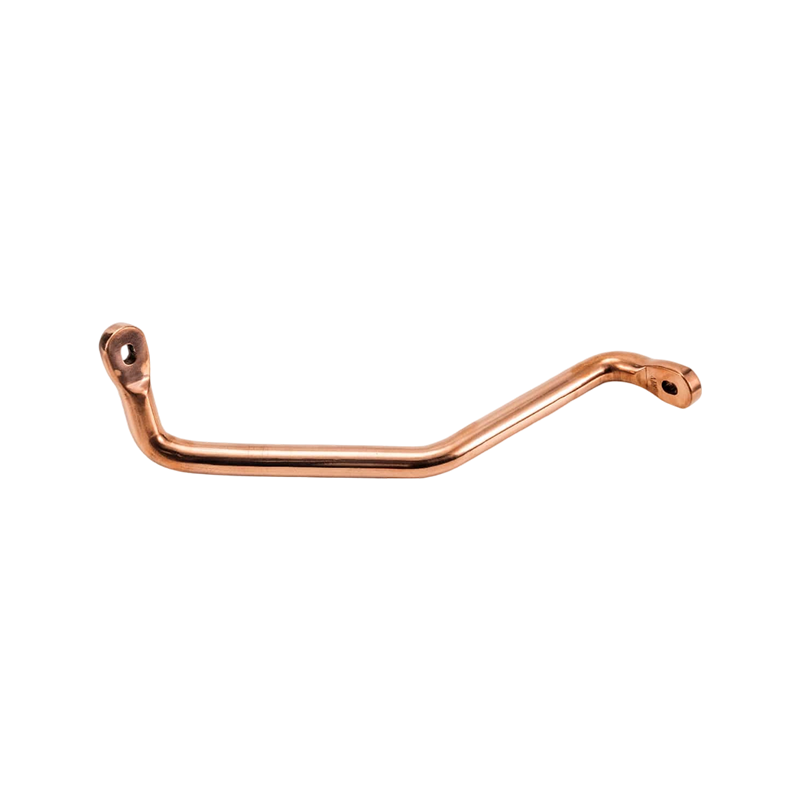
High-purity copper substrate can be processed into conductive connectors or support components.
See Details -
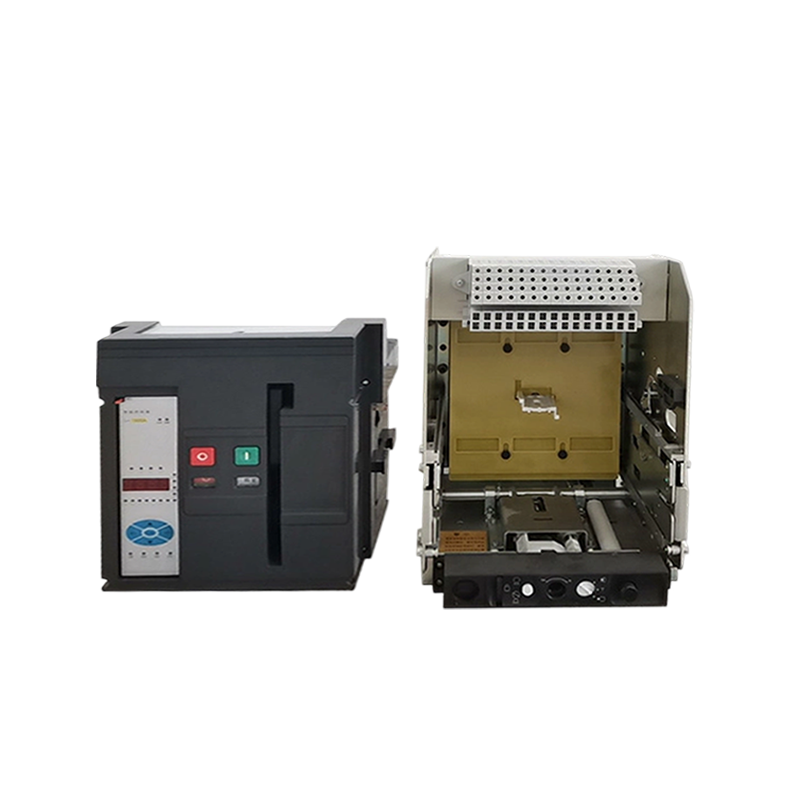
1.The circuit breaker provides safety protection, arc extinguishing, and interrupting functions, with defined electrical life and short-circuit withstand capability. 2.Multiple controller options are ...
See Details -
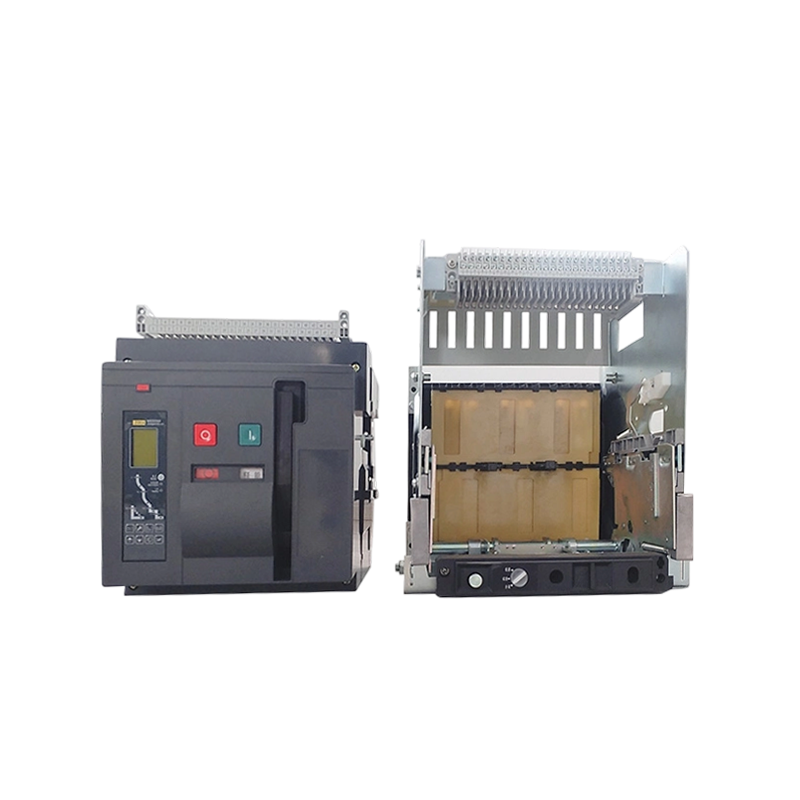
1.The circuit breaker provides safety protection, arc extinguishing, and interrupting functions, with defined electrical life and short-circuit withstand capability. 2.Multiple controller options are ...
See Details -
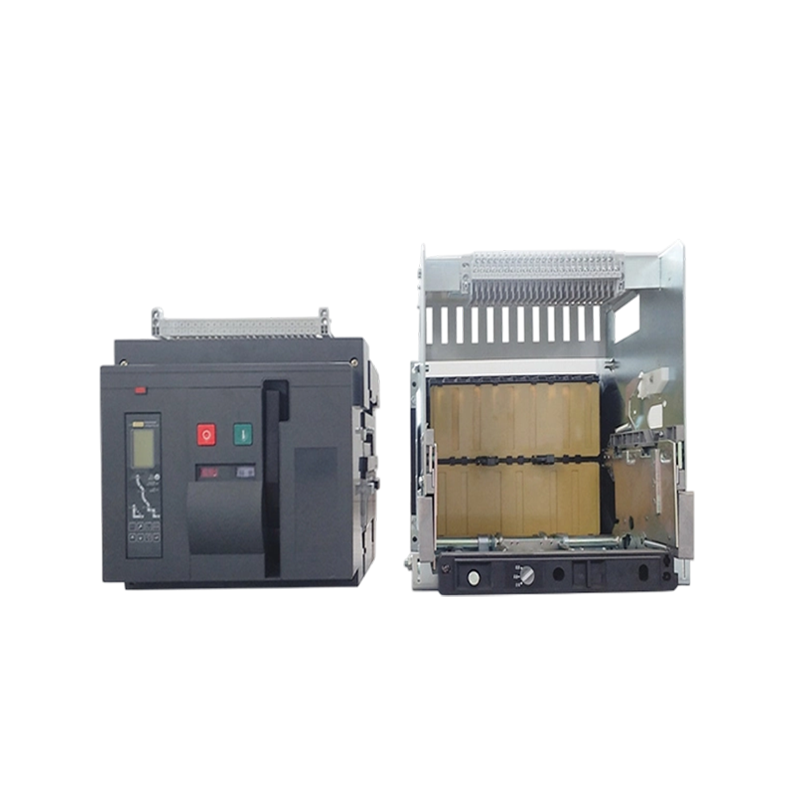
1. The circuit breaker offers safety protection, efficient arc extinguishing and interrupting, long electrical life, and short-term withstand capability. 2. The circuit breaker is available with a var...
See Details

Copyright @ Kaiyuanfeng Electrical Machinery Manufacturing Co.,Ltd All Rights Reserved.
OEM MCCB Accessories Manufacturer
ISO Certified Circuit Breaker Factory
