 English
  中文简体
中文简体  русский
  عربى
عربى 

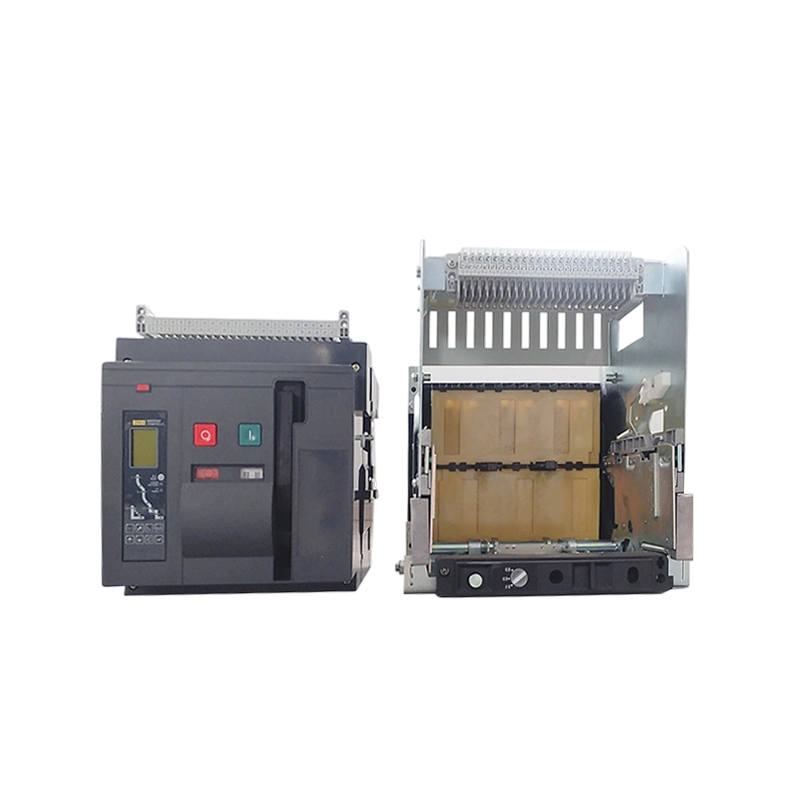
1.The circuit breaker provides safety protection, arc extinguishing, and interrupting functions, with defined electrical life and short-circuit withstand capability. 2.Multiple controller options are ...
See Details
What Are MCCB Accessories? A Complete Guide to Circuit Breaker Components
Content
- 1 What Are MCCB Accessories: A Direct Answer
- 2 Internal and External MCCB Accessory Categories
- 3 Core Function of Each Circuit Breaker Component
- 4 Why Copper Parts Are Central to Circuit Breaker Components
- 5 How to Match Accessories to a Breaker System
- 6 Automation Trends Behind Molded Case Circuit Breaker Components
- 7 Custom MCCB Components and Replacement Part Options
- 8 Installation and Maintenance Guidance for MCCB Accessories
- 9 About Jiangsu Kaiyuanfeng Electrical Machinery Manufacturing Co., Ltd.
- 10 Frequently Asked Questions About MCCB Accessories
What Are MCCB Accessories: A Direct Answer
MCCB accessories are add-on components fitted to a molded case circuit breaker so that a simple protective switch can report its status, respond to remote commands, and connect cleanly into a control or automation circuit. A bare breaker only opens and closes a circuit and trips under overload or short circuit conditions. Once auxiliary contacts, alarm contacts, shunt trip units, undervoltage releases, motor operators, rotary handles, terminal connectors, and copper conducting parts are added, that same breaker becomes an active point inside a distribution board rather than a passive switch sitting inside an enclosure.
In practice, these circuit breaker components are what let panel builders turn a standard breaker into a monitored, remotely operated device that fits into a PLC based control scheme or a building management system. This is the reason accessory selection is treated as a core part of MCCB specification rather than a minor add-on.
- Auxiliary contact, reports breaker open or closed status
- Alarm contact, reports a trip caused by a fault condition
- Shunt trip, opens the breaker on an external command signal
- Undervoltage release, trips automatically on a voltage drop
- Motor operator, drives remote open and close operation
- Rotary handle, allows manual operation from outside the panel
- Terminal connector, copper part joining the breaker to external cabling
Internal and External MCCB Accessory Categories
Circuit breaker components fitted to an MCCB generally fall into two mounting groups. Internal accessories sit inside dedicated slots built into the molded case itself, next to the breaker mechanism, and are usually installed either at the factory or in the field through a removable accessory compartment. External accessories mount onto the outside of the breaker body or onto the enclosure door, and connect to the breaker through a mechanical shaft or a wiring harness. Sourcing teams commonly split their supplier base along this same line, working with an MCCB internal accessories supplier for slot mounted modules such as auxiliary contacts and shunt trip coils, and with an MCCB external accessories manufacturer for door mounted rotary handles and motor operators.
| Accessory | Mounting Location | Primary Role | Typical Panel Position |
|---|---|---|---|
| Auxiliary Contact | Internal slot | Signals breaker open or closed status | Control wiring compartment |
| Alarm Contact | Internal slot | Signals a trip caused by a fault | Control wiring compartment |
| Shunt Trip | Internal slot | Trips breaker on a remote command | Control wiring compartment |
| Undervoltage Release | Internal slot | Trips breaker automatically on voltage drop | Control wiring compartment |
| Motor Operator | External, breaker face | Enables motorized remote open or close | Enclosure door or breaker front |
| Rotary Handle | External, door mounted | Manual operation from outside the enclosure | Enclosure door |
| Terminal Connector | Internal, copper part | Connects breaker poles to external cabling | Load and line side terminals |
Typical Installation Frequency Across Distribution Panels
Illustrative installation frequency index observed across general low voltage distribution panels, not tied to a specific external study
Core Function of Each Circuit Breaker Component
Each accessory type is built around one specific job inside the panel. The breakdown below covers what each component actually does once it is wired into place.
Auxiliary Contact
The auxiliary contact, often marked OF or SD, mirrors the main contact position of the breaker and sends a clean open or closed signal to a PLC, relay, or indicator lamp. This MCCB auxiliary contact function is one of the most requested additions on any breaker headed into an automated panel, since it gives the control system a direct read on breaker status without a separate sensor.
Alarm Contact
An alarm contact changes state specifically when the breaker trips due to a fault, separating a genuine overload or short circuit event from a normal manual operation. Working with an established MCCB alarm contact supplier matters here, since the timing and contact rating need to match the signal circuit closely or the alarm output will not register correctly on the control panel.
Shunt Trip
A MCCB shunt trip is a small internal coil that opens the breaker the instant it receives an external voltage signal, independent of the breaker's own overload sensing. This is what allows an emergency stop button, a fire alarm panel, or a remote command to force a breaker open. Selecting the correct MCCB shunt trip accessory means matching coil voltage, either AC or DC, to the control circuit driving it.
Undervoltage Release
The undervoltage release, by contrast, trips the breaker automatically when supply voltage falls below a set threshold, protecting connected motors and sensitive loads from running on a weak or unstable supply. A capable MCCB undervoltage release supplier will specify pickup and dropout voltage ranges clearly so the release does not nuisance trip during brief voltage dips.
Motor Operator
A motor operator replaces manual handle operation with a small electric motor that opens and closes the breaker on command, which is central to remote switching in unattended substations and automated switchgear lines. An MCCB motor operator manufacturer typically offers several torque and voltage variants so the operator matches both the breaker frame size and the control voltage already present in the panel.
Rotary Handle
A rotary handle extends the breaker's operating mechanism through the enclosure door so an operator can switch the breaker without opening the panel, reducing exposure to live internal components during routine switching. This MCCB rotary handle accessory is usually offered in direct and extended shaft versions to fit different door and breaker depths.
Terminal Connector
Terminal connectors, made from copper or copper alloy, join the breaker's internal contacts to the external cable or busbar system, and their surface plating and contact area directly influence connection resistance and heat rise at rated current. Because this component carries full load current continuously, many buyers treat their MCCB terminal connector supplier relationship with the same care as the breaker supplier itself.
Why Copper Parts Are Central to Circuit Breaker Components
Copper parts inside an MCCB, the conducting rods, contact tips, and terminal blocks, carry the actual load current through the breaker with limited resistance and limited heat build up. Copper is chosen over most other conducting metals because of its combination of high electrical conductivity and workable mechanical strength, both of which matter directly to breaker performance across years of switching cycles.
Electrical Conductivity Comparison of Common Conducting Materials
Approximate electrical conductivity in MS/m for common conducting metals used in breaker parts, general reference values
Higher conductivity means less resistive heating at the same current, which is one reason copper remains the standard choice for terminal connectors and internal conducting parts inside most molded case circuit breaker components, including lower current accessory items such as shunt trip leads and auxiliary contact blocks.
How to Match Accessories to a Breaker System
Choosing the right accessory set starts with the panel's control architecture rather than the accessory catalog itself. The factors below cover the checks worth working through before an order is placed.
| Factor | What To Check |
|---|---|
| Frame Size Compatibility | Accessory must match the specific MCCB frame and pole count |
| Control Voltage | Coil and contact voltage must match the control circuit supply |
| Signal Type Needed | Status signal only, or an active trip and close command |
| Mounting Space | Enclosure door depth and internal compartment clearance |
| Operating Environment | Indoor panel, outdoor enclosure, or vibration prone equipment |
Comparing Remote Control Accessories by Performance Criteria
Illustrative comparison of three accessory types across four selection criteria, scaled zero to one hundred
Reading the chart is straightforward, a shape that reaches further out on an axis performs stronger on that specific criterion. Shunt trip units generally score higher on remote control response, while auxiliary contacts tend to score higher on installation ease and long term maintenance simplicity.
Automation Trends Behind Molded Case Circuit Breaker Components
Distribution panels built for building automation, renewable energy substations, and industrial control rooms increasingly specify at least one signaling or remote control accessory on every incoming and outgoing MCCB, rather than treating accessories as an optional extra reserved for a handful of critical feeders. This shift is largely driven by more accessible PLC based monitoring and by facility operators wanting visibility on every breaker rather than just the largest ones.
General Pattern of Accessory Equipped MCCB Adoption in Industrial Panels
Illustrative pattern based on general panel design practice, index scale not tied to a single external source
Custom MCCB Components and Replacement Part Options
Standard accessory catalogs cover most panel designs, but certain projects call for custom MCCB components, a shunt trip with a non standard coil voltage, a rotary handle with an extended shaft for a deep enclosure, or a terminal connector shaped to fit an existing busbar layout without modifying the panel. Working directly with a molded case circuit breaker components manufacturer able to adjust these details in house avoids the compromise of redesigning a panel around an off the shelf part.
Older installations raise a different question, keeping equipment running once original accessory lines are no longer produced. This is where MCCB replacement parts support becomes relevant, matching the mechanical interface, contact rating, and mounting footprint of a discontinued accessory so a functioning breaker does not need to be replaced wholesale just because one internal component wore out. Custom MCCB accessories built to the original footprint let maintenance teams extend the working life of existing panels instead of retrofitting entirely new breaker frames.
- Coil voltage adjusted shunt trip and undervoltage release units
- Extended or shortened rotary handle shaft lengths
- Terminal connector shapes matched to existing busbar layouts
- Footprint matched replacement parts for discontinued accessory models
Installation and Maintenance Guidance for MCCB Accessories
Getting an accessory installed correctly, and recognizing when it needs replacing, keeps the rest of the breaker performing as designed.
Installation Sequence
- Confirm the accessory model matches breaker frame size and pole configuration before opening the enclosure.
- Isolate and lock out supply and control voltage to the breaker before any accessory compartment is opened.
- Fit internal accessories, auxiliary contacts, alarm contacts, shunt trip, undervoltage release, into their dedicated slot following the breaker's mechanical sequence.
- Route control wiring for signal and trip circuits separately from main power cabling to reduce interference on low current signal contacts.
- Torque terminal connector fixings to the value specified for the wire gauge and copper connector size in use.
- Test auxiliary and alarm signals, along with shunt trip or undervoltage operation, at reduced or isolated voltage before returning the panel to full service.
Signs an Accessory Needs Replacement
- Auxiliary or alarm contact signal becomes intermittent or fails to change state
- Shunt trip or undervoltage release responds slowly or fails to operate on command
- Rotary handle mechanism feels loose, stiff, or fails to fully open or close the breaker
- Terminal connector or copper contact surface shows discoloration, pitting, or heat marks
- Motor operator stalls, runs slowly, or fails to complete a full open or close cycle
About Jiangsu Kaiyuanfeng Electrical Machinery Manufacturing Co., Ltd.
Jiangsu Kaiyuanfeng Electrical Machinery Manufacturing Co., Ltd. was established in Taizhou in August 2013, working across research, design, production, sales, and service for key circuit breaker components. The company's approach rests on steady groundwork, sustained effort, and accountability, paired with a working principle of integrity and collaborative, forward looking partnership with customers. The guiding idea behind daily operations is that technological progress and attentive service work together, with customer needs folded into the process from early development through to manufacturing.
Product development at Jiangsu Kaiyuanfeng is supported by 28 related patents covering various circuit breaker component designs, and the company maintains a quality management system aligned with recognized international practice to support consistent output across production runs. With more than a decade in the industry, the team has kept a customer facing focus on dependable components and responsive service, working toward remaining a steady supplier of circuit breaker components, MCCB accessories, and copper parts for panel builders and maintenance teams.
2013Founded in Taizhou
28Related patents
10+Years in the industry
Frequently Asked Questions About MCCB Accessories
Q1. What accessories can be installed on MCCB
A typical MCCB can accept auxiliary contacts, alarm contacts, shunt trip units, undervoltage releases, motor operators, rotary handles, and terminal connectors. The exact list of available MCCB accessory types depends on the breaker frame size and the accessory slots built into that particular model.
Q2. What is the function of MCCB auxiliary contact
The MCCB auxiliary contact function is to mirror the breaker's main contact position, open or closed, and pass that status to an external indicator, relay, or PLC input without interrupting the main power circuit.
Q3. What is a shunt trip in MCCB
An MCCB shunt trip is an internal coil accessory that opens the breaker the moment it receives an external electrical signal, allowing remote or emergency tripping independent of the breaker's built in overload protection.
Q4. Can MCCB accessories be customized
Custom MCCB accessories are available for coil voltages, shaft lengths, terminal shapes, and mounting footprints that fall outside a standard catalog, usually developed together with the accessory manufacturer to match an existing panel design.
Q5. How to replace MCCB internal accessories
Replacing MCCB internal accessories such as auxiliary or alarm contacts, shunt trip coils, or undervoltage releases generally means isolating supply and control voltage, opening the dedicated accessory compartment, and fitting matching MCCB replacement parts following the same mechanical sequence used for the original installation.
Q6. What components are inside a molded case circuit breaker
Beyond the accessory slots, the molded case circuit breaker components include the main contacts, arc chute, trip unit, operating mechanism, and copper conducting parts that carry load current between the line and load terminals.
Previous Post
What Is a Low Voltage Circuit Breaker?
Next Post
No next article
Related products
-
-
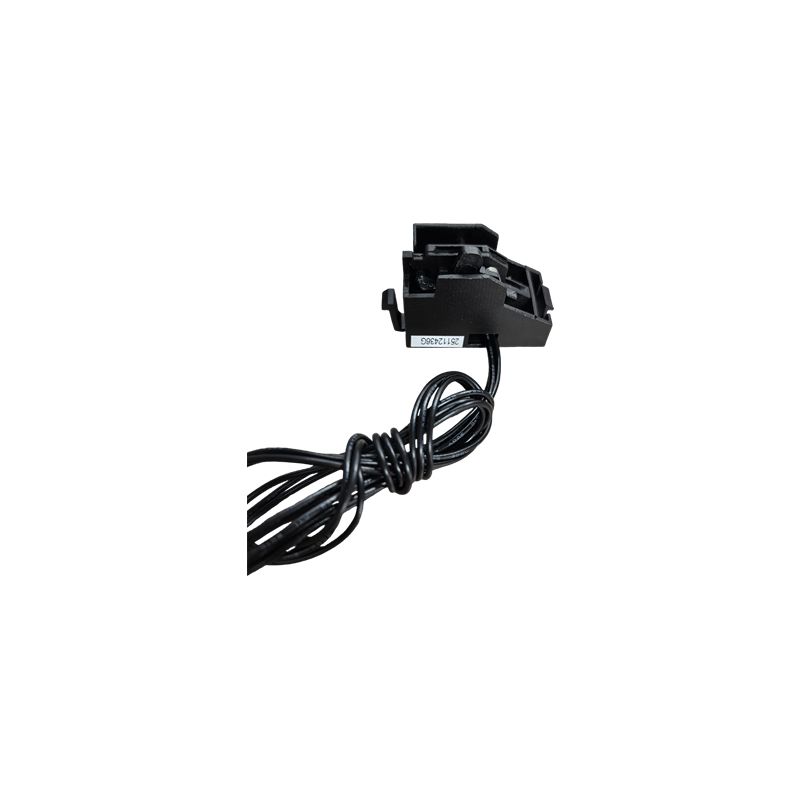
Simple structure with modular design for easy installation.Features micro-switch operation for reliable performance, and supports left or right mounting positions. It is compatible with 63/100/250/400...
See Details -
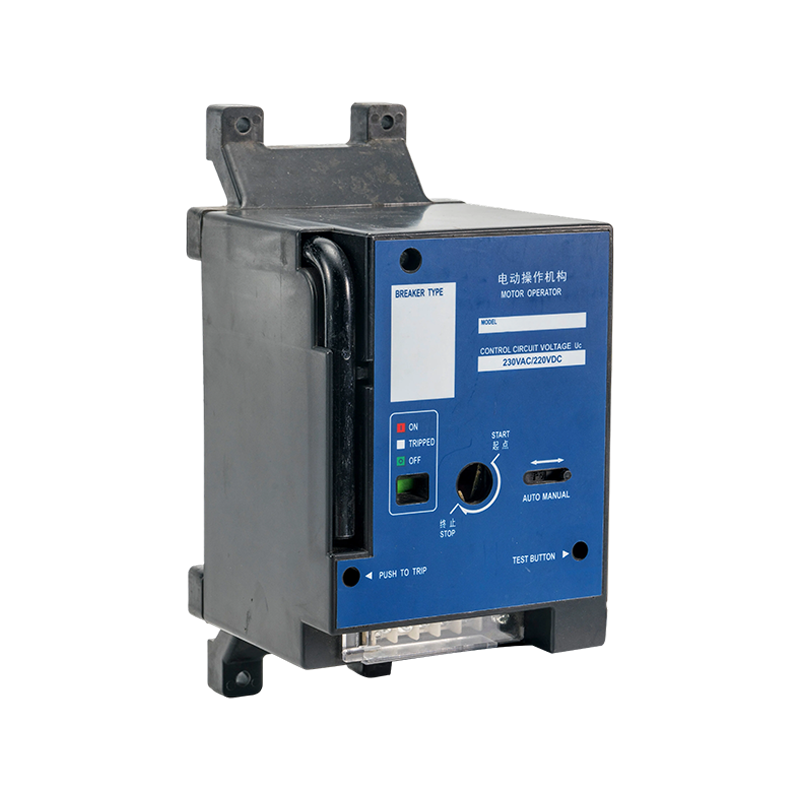
Featuring a simple structure, this mechanism is driven by an electric motor with a gear reducer, delivering high torque, fast switching, and reliable operation. It supports both AC and DC power, with ...
See Details -
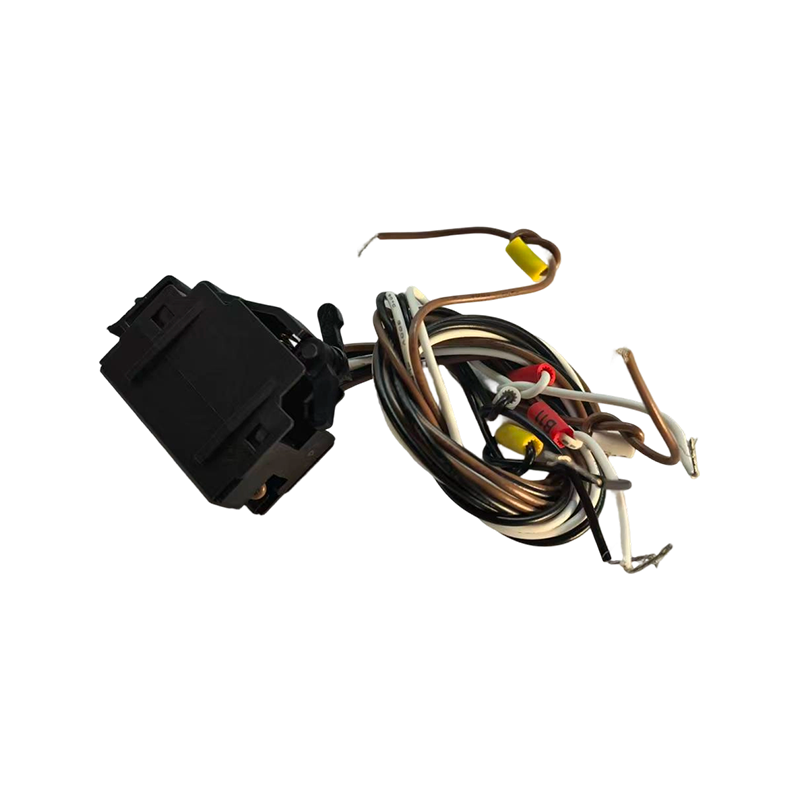
Simple structure with modular design for easy installation.Features micro-switch operation for reliable performance, and supports both left and right mounting positions. It is compatible with 63/100/2...
See Details -
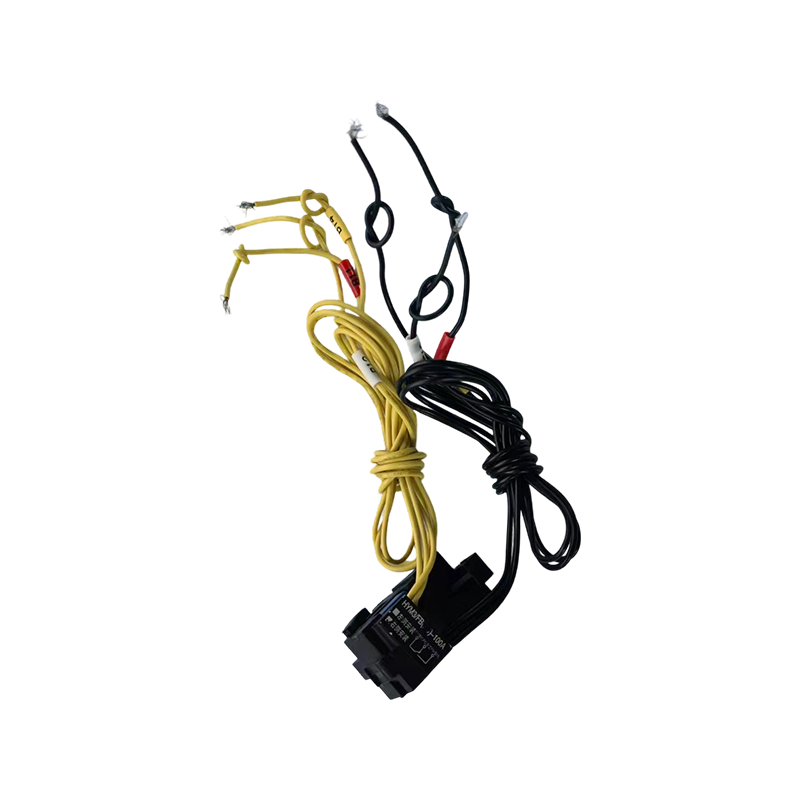
Simple structure with modular design for easy installation.Features micro-switch operation for reliable performance, and supports both left and right mounting positions. It is compatible with 63/100/2...
See Details -
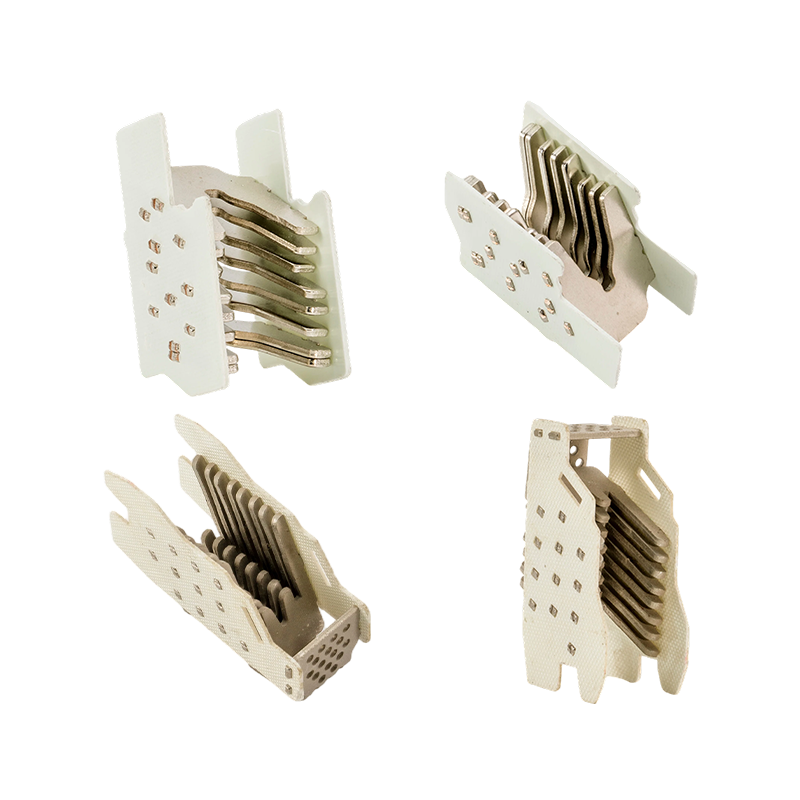
We are equipped with: A full range of welding machines Various riveting equipment Multiple assembly lines Complete testing equipment These assemblies are compatible with products from leading internat...
See Details

Copyright @ Kaiyuanfeng Electrical Machinery Manufacturing Co.,Ltd All Rights Reserved.
OEM MCCB Accessories Manufacturer
ISO Certified Circuit Breaker Factory
