 English
  中文简体
中文简体  русский
  عربى
عربى 

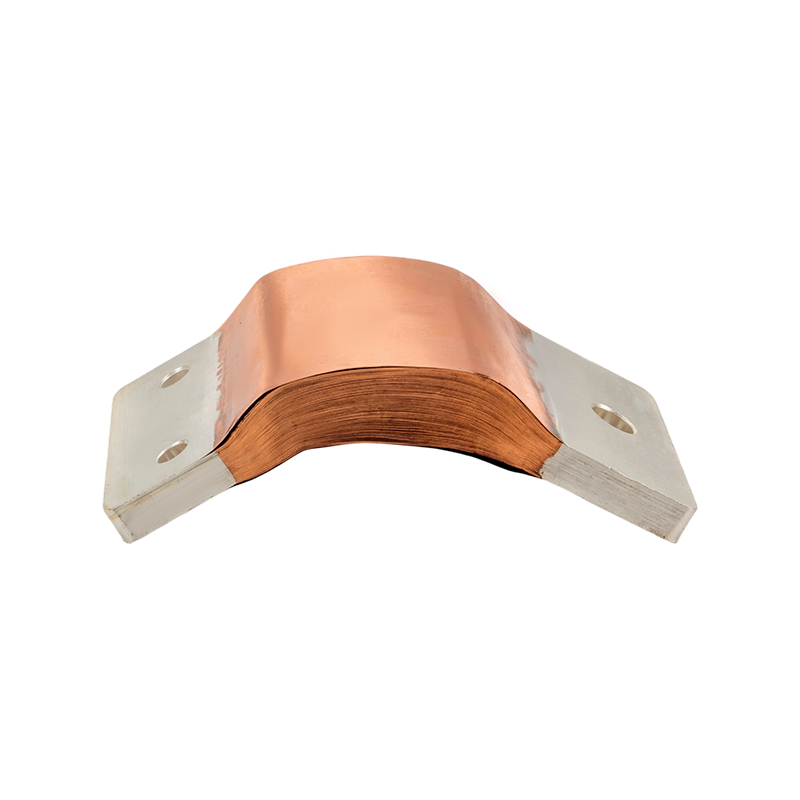
Provides consistent conductivity and flexibility, supporting current transmission in medium and low voltage equipment, with broad installation adaptability. Supports enhanced current carrying capacity...
See Details
What Is a Low Voltage Circuit Breaker?
Content
Conclusion: Low voltage circuit breakers are essential safety devices that protect electrical circuits from overloads and short circuits. Selecting the right type—MCB, MCCB, or ACB—and understanding their components are critical for ensuring system reliability and safety. This article provides a practical, detailed guide to help you make informed decisions and maintain these devices effectively.
Common Types and Characteristics
Low voltage circuit breakers are categorized by their voltage rating, typically up to 1000V AC, as defined by standards like IEEE C37.13-2024 [citation:1][citation:7]. The three main types are Miniature Circuit Breakers (MCBs), Molded Case Circuit Breakers (MCCBs), and Air Circuit Breakers (ACBs).
Miniature Circuit Breakers (MCBs)
MCBs are designed for low-current circuits, typically up to 63A. They are commonly used in residential and light commercial applications. MCBs feature thermal-magnetic trip units for overload and short-circuit protection. They are available in B, C, and D trip curves to suit different load types [citation:4].
Molded Case Circuit Breakers (MCCBs)
MCCBs are used for higher current applications, typically ranging from 10A to 2500A. They feature a molded case for insulation and are suitable for industrial and commercial installations. MCCBs often come with adjustable trip settings and can be equipped with various accessories.
Air Circuit Breakers (ACBs)
ACBs are used for very high current applications, typically up to 6300A. They rely on air as the arc extinguishing medium and are commonly used as main switches in large industrial plants and commercial buildings. ACBs offer advanced protection features and high breaking capacity.
Key Takeaway: The choice between MCB, MCCB, and ACB depends on the circuit's current rating, application, and required breaking capacity.
Working Principle and Key Components
A low voltage circuit breaker operates on two fundamental principles: thermal protection for overloads and magnetic protection for short circuits. Understanding its components is key to appreciating its function. Core components include the contact system, arc extinguishing chamber, and trip unit. These parts work together to ensure reliable operation.
Key Takeaway: The synergy between the thermal and magnetic trip units ensures comprehensive protection against both prolonged overloads and sudden short circuits.
Application Scenarios and Selection Criteria
Selecting the correct low voltage circuit breaker involves analyzing the application's specific requirements. Factors such as load type, short-circuit current, and environmental conditions are crucial. For instance, MCBs are ideal for protecting final sub-circuits in residential and office environments, while MCCBs and ACBs are suited for industrial settings like manufacturing plants and data centers. Jiangsu Kaiyuanfeng Electrical Machinery Manufacturing Co., Ltd., established in 2013, provides key components, leveraging over a decade of industry experience to support diverse applications. Their components are used in various circuit breaker types, ensuring reliable operation in demanding conditions.
Residential and Light Commercial
In these settings, MCBs with B or C trip curves are commonly used for lighting, socket outlets, and small appliances. They provide effective protection against overloads and short circuits.
Industrial and Heavy Commercial
MCCBs and ACBs are deployed for motor control centers, switchboards, and main distribution panels in factories and large buildings. Their adjustable trip settings allow for coordination and selectivity. According to industry standards, proper device coordination can reduce downtime by up to 80%.
Key Takeaway: Correctly sizing a circuit breaker based on the load and available fault current is not just a best practice—it is a fundamental safety requirement.
Detailed Comparison: MCB vs. MCCB vs. ACB
Understanding the differences between MCB, MCCB, and ACB is fundamental for any electrical professional. The following comparison table summarizes their key characteristics, helping you choose the right device for your specific needs. This guide is crucial for low voltage circuit breaker suppliers and users alike.
Here is a visual representation of how these three types compare across several critical parameters. The chart below illustrates the relative performance of MCBs, MCCBs, and ACBs in terms of breaking capacity, current rating, and application complexity.
The chart above clearly shows that as the required current rating and breaking capacity increase, the device type moves from MCB to MCCB and finally to ACB. The application complexity also scales accordingly. MCBs are simple and cost-effective for low-power circuits, while ACBs offer the highest performance and flexibility for critical, high-power installations. This progression highlights the importance of matching the circuit breaker type to the specific electrical demands of the application.
| Feature | MCB | MCCB | ACB |
|---|---|---|---|
| Current Range | 0.5 - 63A | 10 - 2500A | 400 - 6300A |
| Breaking Capacity | Up to 10 kA | Up to 65 kA | Up to 100 kA |
| Trip Units | Thermal-Magnetic | Thermal-Magnetic/Electronic | Electronic |
| Adjustability | Fixed | Adjustable | Highly Adjustable |
| Common Application | Lighting, Sockets | Motor Control, Distribution | Main Switch, High Power Loads |
Key Takeaway: The table and chart confirm that the selection of a low voltage circuit breaker is a performance-based decision, not a matter of size or cost alone.
Maintenance Best Practices
Regular maintenance is essential to ensure the reliability and longevity of low voltage circuit breakers. A well-maintained circuit breaker can significantly reduce the risk of failures and downtime. This guide covers the key aspects of a maintenance program, suitable for facility managers and electrical engineers.
Visual Inspection
Perform regular visual checks for signs of damage, such as cracks in the casing, discoloration, or burning. Ensure all connections are tight and free from corrosion. Loose connections can lead to overheating and premature failure. Jiangsu Kaiyuanfeng, as a Custom Copper Circuit Breaker Components Factory, emphasizes the importance of high-quality, corrosion-resistant copper parts for reliable connections [citation:9].
Electrical Testing
Periodic electrical tests are crucial. This includes testing the insulation resistance and performing a trip test to verify that the protective functions are operating within specified limits. Using a primary injection tester can validate the breaker's performance under simulated fault conditions.
Cleaning and Lubrication
Keep the breaker and its surrounding area clean from dust and debris. In harsh environments, this might need to be done more frequently. For moving parts, use an appropriate lubricant as recommended by the manufacturer to ensure smooth operation of the mechanism.
Key Takeaway: A proactive maintenance program is the most effective strategy to prevent unexpected failures and extend the service life of your low voltage circuit breakers.
Frequently Asked Questions (FAQ)
What is the standard for low voltage circuit breakers?The primary standard for low voltage AC power circuit breakers is IEEE C37.13-2024, which covers breakers up to 1058V [citation:1][citation:7]. Other international standards include IEC 60947-2 for similar applications. |
How do I choose between an MCB and an MCCB?The choice depends on the current rating and application. MCBs are for lower currents (up to 63A) in residential/light commercial settings, while MCCBs are for higher currents (up to 2500A) and offer more adjustable settings for industrial applications. |
What is the role of the arc extinguishing chamber?The arc extinguishing chamber, also known as an arc chute, is a critical component that cools and de-ionizes the electrical arc generated when the breaker interrupts a fault current, thus helping to safely extinguish the arc. |
Why is maintenance important for circuit breakers?Regular maintenance, including inspection and testing, ensures that the breaker functions correctly in a fault condition, preventing equipment damage and ensuring personnel safety. It also helps in extending the operational life of the device. |
Can low voltage circuit breakers be used for DC circuits?Yes, some low voltage circuit breakers are designed for DC applications, but they have different ratings and arc extinguishing requirements than AC breakers. Always check the manufacturer's specifications for DC compatibility [citation:4]. |
Key Takeaway: Understanding the fundamentals through these FAQs can significantly enhance your ability to select, operate, and maintain low voltage circuit breakers effectively.
Previous Post
What Is Inside a Molded Case Circuit Breaker?
Next Post
What Are MCCB Accessories? A Complete Guide to Circuit Breaker Components
Related products
-
-
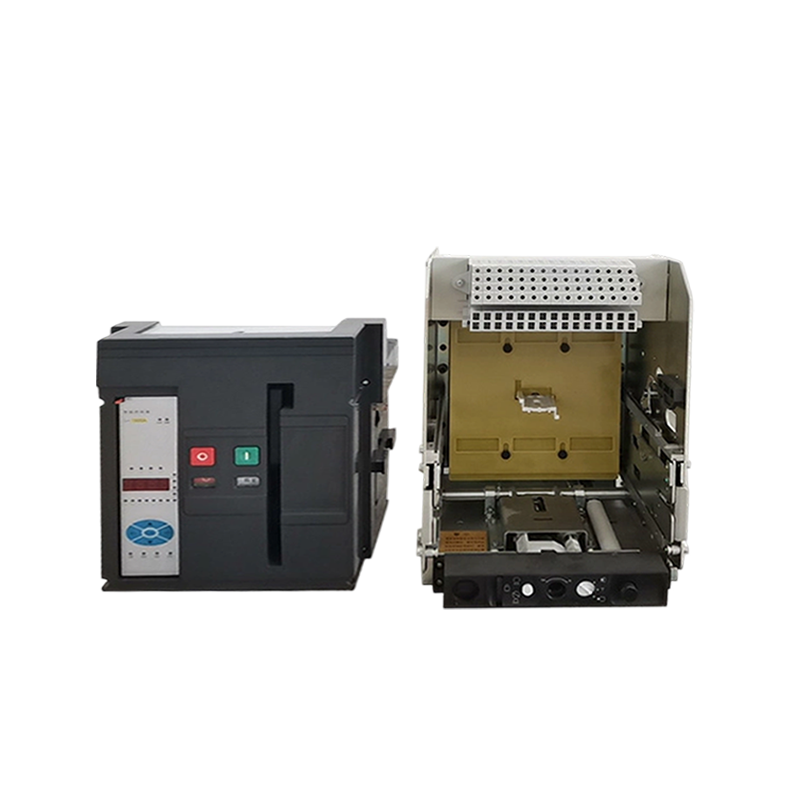
1.The circuit breaker provides safety protection, arc extinguishing, and interrupting functions, with defined electrical life and short-circuit withstand capability. 2.Multiple controller options are ...
See Details -
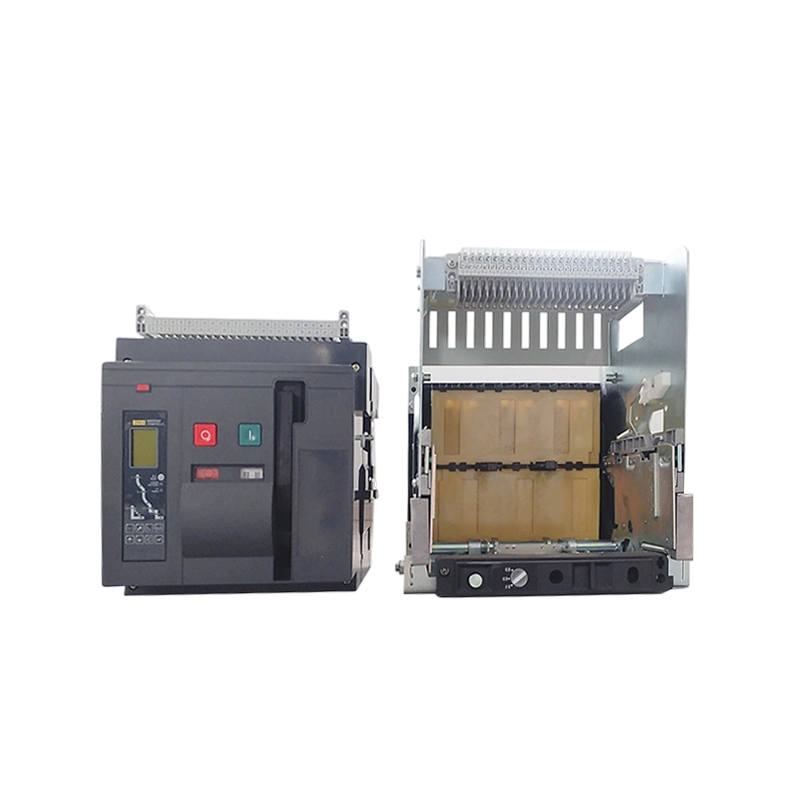
1.The circuit breaker provides safety protection, arc extinguishing, and interrupting functions, with defined electrical life and short-circuit withstand capability. 2.Multiple controller options are ...
See Details -
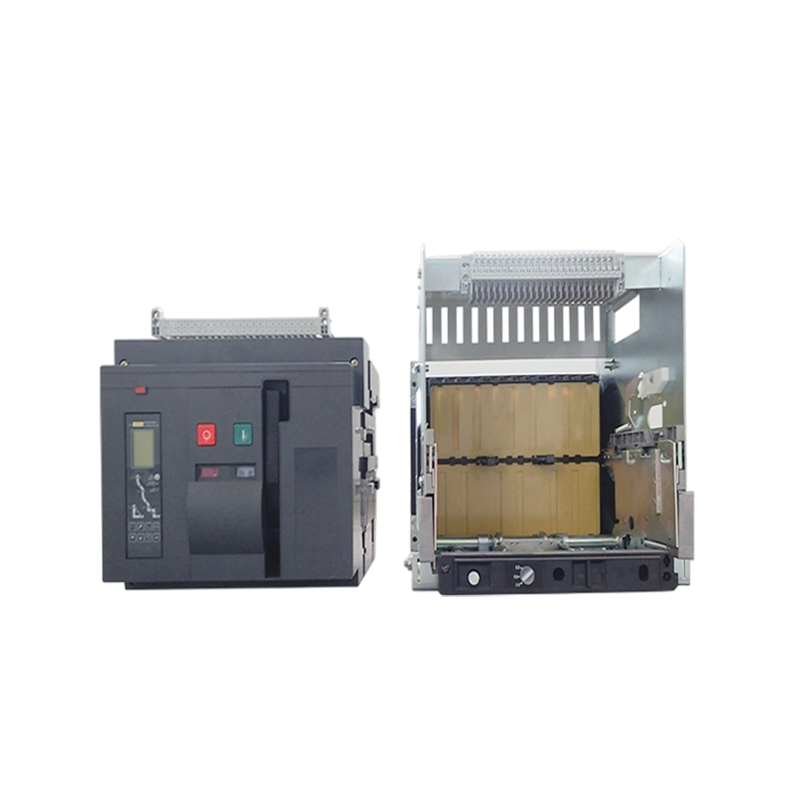
1. The circuit breaker offers safety protection, efficient arc extinguishing and interrupting, long electrical life, and short-term withstand capability. 2. The circuit breaker is available with a var...
See Details -
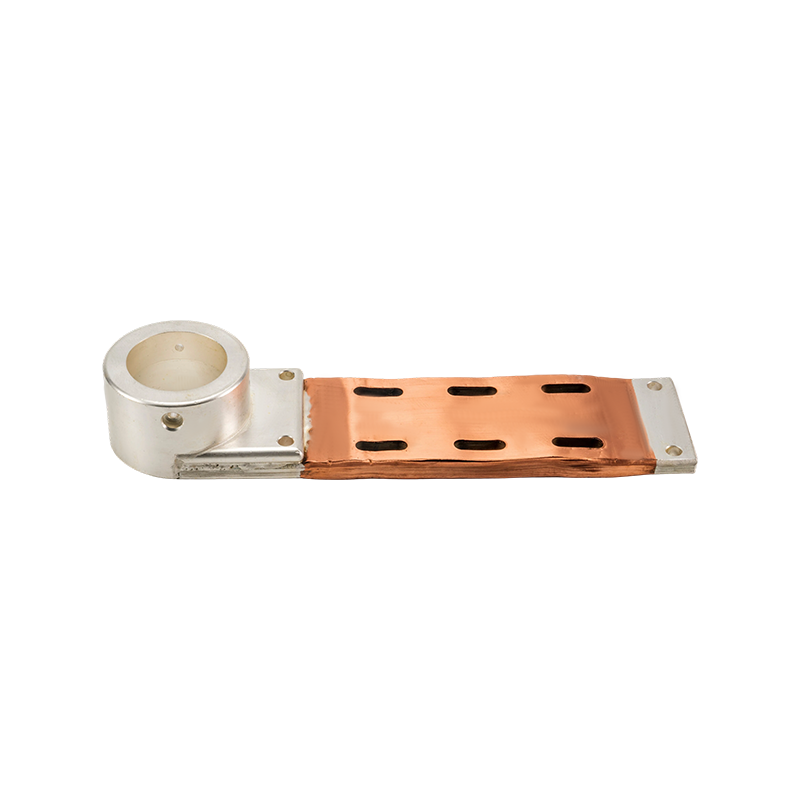
Provides consistent conductivity and flexibility, supporting current transmission in medium and low voltage equipment, with broad installation adaptability. Supports enhanced current carrying capacity...
See Details -

A bushing-type copper busbar is a copper component with a metal bushing installed at the end or connection of the copper busbar. It is designed to enhance connection strength, improve conductivity rel...
See Details

Copyright @ Kaiyuanfeng Electrical Machinery Manufacturing Co.,Ltd All Rights Reserved.
OEM MCCB Accessories Manufacturer
ISO Certified Circuit Breaker Factory
