Sulfide Copper Busbars is a search term sometimes used by buyers looking for copper busbars related to sulfur-resistant, anti-corrosion, or sulfide-environment applications. However, it is important to distinguish a copper busbar from copper sulfide itself. Standard electrical busbars are normally manufactured from high-conductivity copper or suitable copper alloys; they are not normally made from copper sulfide compounds.
Sulfur-containing environments can be a serious consideration for copper electrical components. Exposure to compounds such as hydrogen sulfide can cause sulfide corrosion on copper surfaces, potentially increasing contact resistance and affecting long-term electrical reliability. Research on corrosive sulfur has also identified copper sulfide formation as a concern in electrical power equipment. :contentReference[oaicite:0]{index=0}
For B2B buyers, the practical requirement is therefore usually a high-conductivity copper busbar with appropriate surface protection, insulation, material selection, and corrosion-control measures, rather than a busbar manufactured from copper sulfide. This distinction is particularly important when specifying busbars for MCCBs, switchgear, power distribution equipment, industrial control cabinets, and new energy systems.
2. Why Is Sulfide Corrosion Important for Copper Busbars?
(1) Sulfur Can Attack Copper Surfaces
Copper has good corrosion resistance in many normal environments, but sulfur-containing compounds can create a different risk profile. Sulfidation can produce copper sulfide compounds on the surface, and these products can have much poorer electrical conductivity than the underlying copper. This is especially important at electrical interfaces where contact resistance must remain low. :contentReference[oaicite:1]{index=1}
(2) Contact Resistance Can Affect Temperature Rise
A busbar's electrical performance is determined by more than bulk copper conductivity. Connection quality, contact pressure, surface condition, cross-sectional area, and temperature all influence resistance. A degraded connection can create localized heating, which is why surface protection and dimensional consistency are important for industrial busbar assemblies.
(3) Sulfurous Environments Require Additional Engineering
Industrial facilities involving combustion gases, chemical processing, wastewater treatment, rubber manufacturing, or other sulfur-containing processes may expose copper conductors to aggressive atmospheric conditions. In such environments, selecting the appropriate copper grade and surface treatment should be considered during the initial engineering stage rather than after corrosion appears.
Current research has demonstrated that surface-passivation approaches can improve copper conductor resistance to sulfurous environments. One laboratory study reported a surface-passivated copper conductor retaining electrical conductivity of approximately 4.42 MS/m after exposure at 350°C for 12 hours; this is a research result rather than a general busbar rating, but it illustrates the importance of surface engineering in severe sulfur environments. :contentReference[oaicite:2]{index=2}
3. What Materials Are Suitable for Copper Busbars?
Common material and surface-treatment considerations for industrial copper busbars.
| Material or Treatment |
Primary Consideration |
Typical B2B Requirement |
| High-conductivity copper |
Low electrical resistance |
Power distribution and MCCB current paths |
| Copper alloy |
Balance of conductivity and mechanical strength |
Special formed or mechanically loaded parts |
| Plated copper |
Improved interface and environmental performance |
Electrical connection surfaces and specialized assemblies |
| Sleeved or vulcanized copper |
Insulation and controlled spacing |
Compact switchgear and power distribution systems |
Material selection should be based on the complete application. For example, a high-conductivity copper busbar may be suitable for a standard low-voltage distribution cabinet, while a busbar installed in a corrosive industrial atmosphere may require additional surface protection or enclosure-level environmental control.
4. How Are Sulfide-Resistant Copper Busbars Manufactured?
- Material selection: Choose pure copper or a suitable copper alloy according to conductivity, strength, forming requirements, and environmental conditions.
- Precision cutting and stamping: Produce the required profile, holes, slots, and connection geometry with controlled dimensions.
- Bending and forming: Create three-dimensional busbar structures according to the electrical cabinet or MCCB assembly.
- Surface treatment: Apply an appropriate plating, coating, or other approved protection strategy when required by the operating environment.
- Insulation: Add sleeves, vulcanized insulation, or other insulating structures where electrical spacing and protection require it.
- Quality inspection: Check material properties, dimensions, hole positions, flatness, bends, surface condition, insulation, and electrical performance as specified.
For OEM production, manufacturing accuracy can be just as important as material selection. A busbar with accurately positioned holes and bends can reduce assembly adjustment and maintain consistent clearances across thousands of circuit breaker assemblies.
5. Applications of Copper Busbars in Industrial Electrical Equipment
Copper busbars are widely used wherever electrical current must be distributed efficiently within a compact assembly. Common B2B applications include:
- Molded case circuit breakers and circuit breaker accessories
- Low-voltage and medium-voltage power distribution equipment
- Switchgear and electrical control cabinets
- Industrial automation and motor-control systems
- Battery energy storage and new energy equipment
- Power conversion and distribution assemblies
In sulfur-containing environments, the complete installation should be evaluated. Busbar material, surface treatment, enclosure sealing, ventilation, humidity, contamination, connection hardware, and maintenance procedures can all affect long-term reliability. A corrosion-resistant busbar specification should therefore be developed together with the system's environmental requirements.
6. Customized Copper Busbars for Power Distribution and MCCB
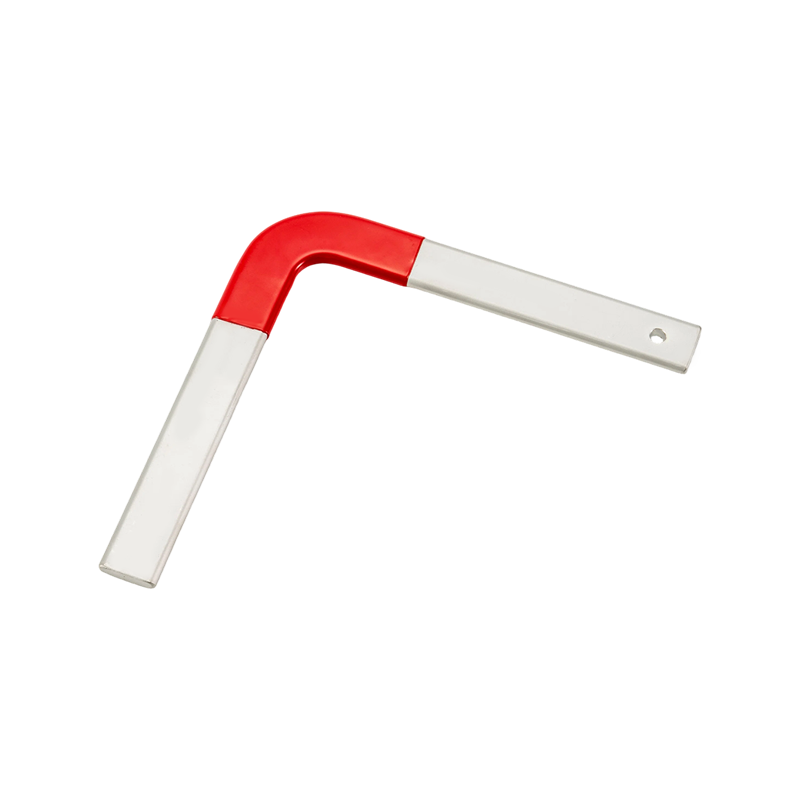
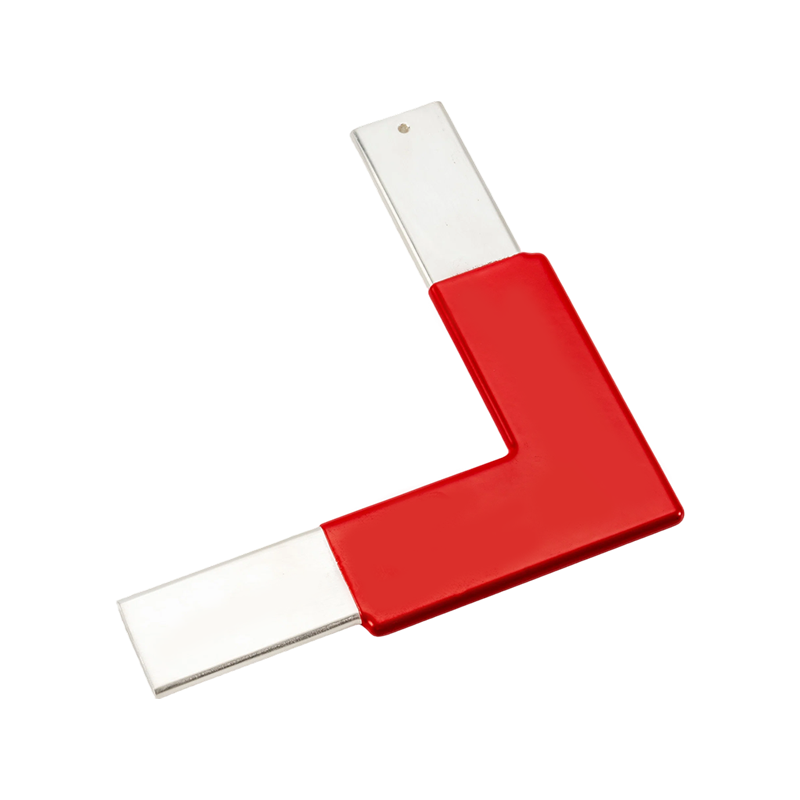
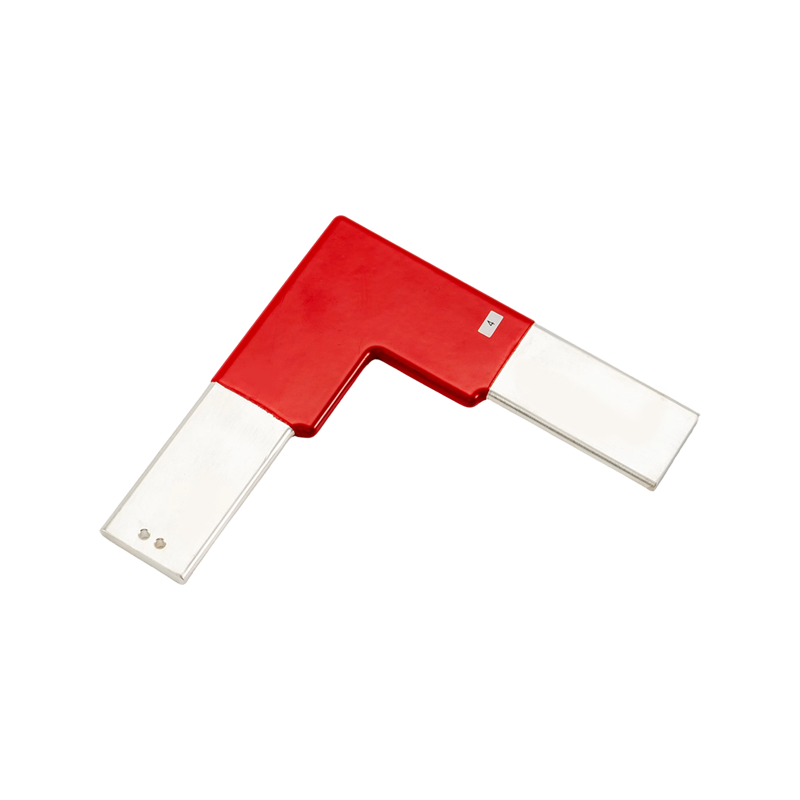
Our copper busbar range supports various materials, with consistent conductivity and stable mechanical strength. They are available in stamped, vulcanized, and sleeved structures, suitable for high/low voltage power distribution, new energy systems, and industrial control equipment.
Made from pure copper, copper alloys, or custom-specified materials, these busbars feature precise manufacturing and reliable performance.
- Designed to adapt to diverse working conditions, balancing conductivity and mechanical strength for long-term stability and corrosion resistance.
- Tight dimensional tolerances ensure consistent hole positions, bends, and flatness, supporting reliable on-site assembly.
- Stamping, vulcanization, and sleeved processes enable flexible structural forms to meet varied design requirements.
- Smooth contact surfaces support low contact resistance and stable conductivity.
- Vulcanized and sleeved busbars include integrated insulation layers, supporting consistent insulation performance and controlled safety spacing.
This series supports diverse materials and manufacturing processes, with reliable performance and flexible customization options for power distribution, new energy, and industrial applications.
Jiangsu Kaiyuanfeng Electrical Machinery Manufacturing Co., Ltd. is a Sulfide Copper Busbars Manufacturer and Wholesale Sulfide Copper Busbars supplier, established in Taizhou in August 2013 with an initial registered capital of 5 million yuan. It is a manufacturer of key circuit breaker components, integrating R&D, design, production, sales, and service.
The company adheres to the core values of "building a solid foundation through steadiness, expanding horizons via perseverance, and forging integrity with responsibility", and upholds the founding principle of "integrity, win-win collaboration, and pioneering the future". Guided by the philosophy that "technological innovation drives progress and quality service supports development", customer requirements are incorporated into processes from R&D to manufacturing.
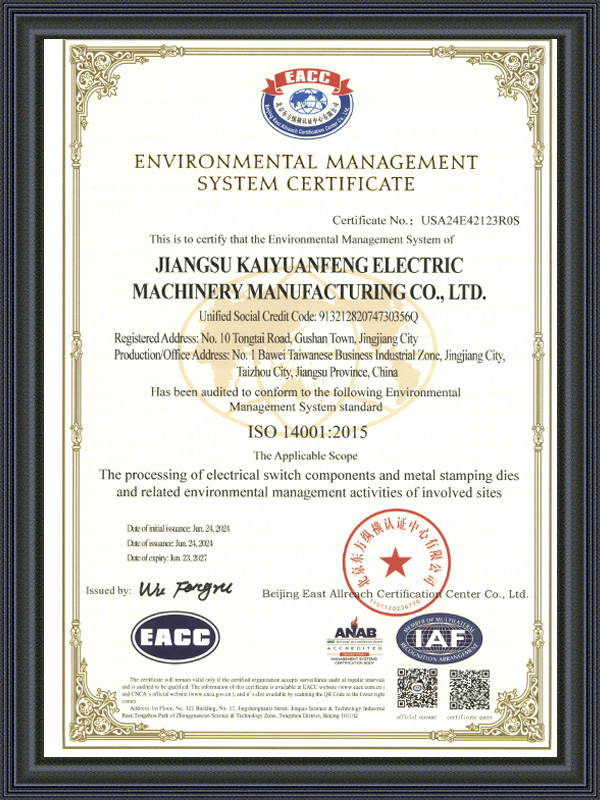
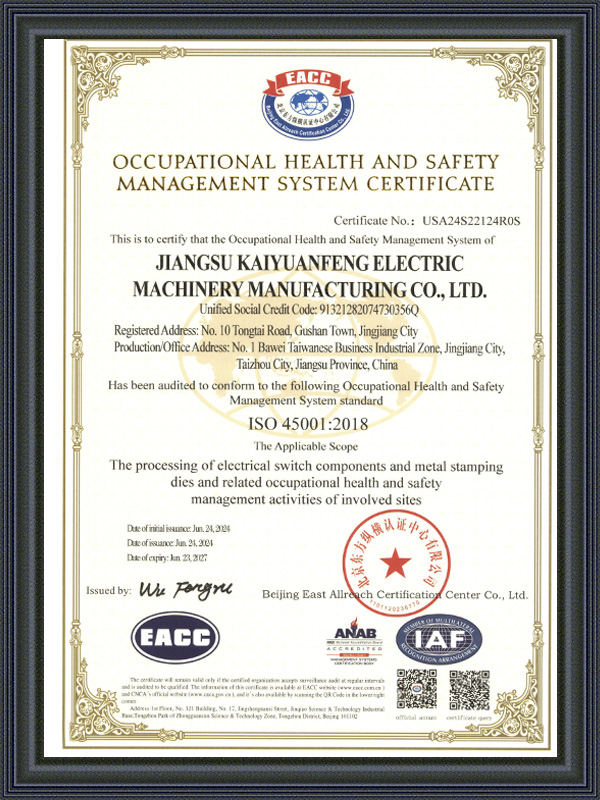
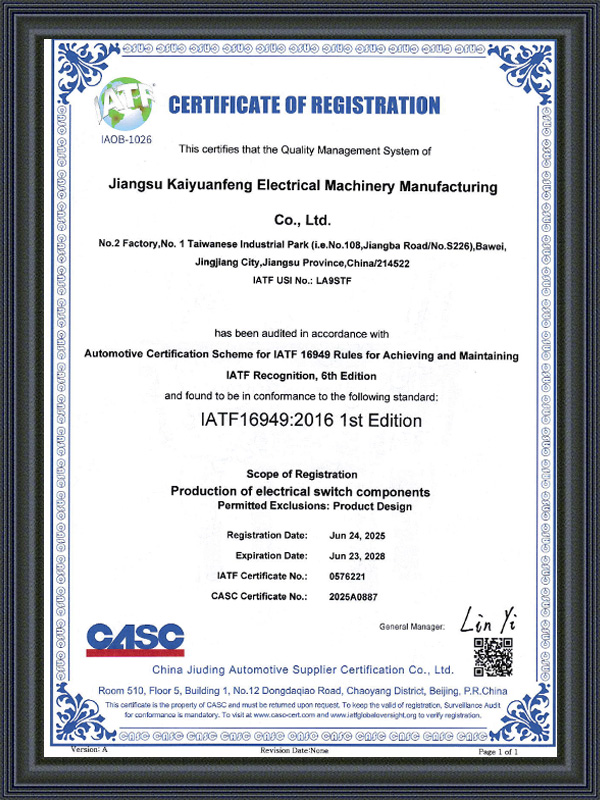
Its innovation is supported by 28 related patents, addressing key industry challenges. The company has obtained ISO certification and implements a management system aligned with international standards to support operational efficiency and quality assurance.
For OEMs, switchgear manufacturers, electrical wholesalers, MCCB manufacturers, and system integrators, customized busbars can be developed according to drawings, samples, material specifications, dimensions, insulation requirements, surface treatment, and production quantities. This supports both standardized procurement and application-specific electrical component projects.
8. Common Questions About Sulfide Copper Busbars
Q1. What are sulfide copper busbars?
The term "sulfide copper busbars" can refer to copper busbars intended for applications where sulfur or sulfide corrosion is a concern. Standard electrical busbars are normally made from high-conductivity copper or copper alloys rather than copper sulfide. For industrial sourcing, buyers should specify whether they need a copper busbar with sulfur-resistant surface protection, a particular plating, or another corrosion-control solution.
Q2. Does sulfur corrode copper busbars?
Yes. Copper can react with sulfur-containing compounds, producing copper sulfide corrosion products. This is particularly relevant in environments containing hydrogen sulfide or other sulfur-bearing gases. Sulfidation can affect the copper surface and may increase electrical contact resistance. Research and industrial experience both identify sulfur-containing environments as an important consideration for copper electrical components. :contentReference[oaicite:3]{index=3}
Q3. Is copper sulfide suitable for electrical busbars?
Copper sulfide should not be treated as a direct substitute for high-conductivity copper in conventional busbar applications. Copper sulfide compounds have electrical properties that differ substantially from metallic copper. For example, published research has shown that the conductivity of copper sulfide phases varies significantly with composition and structure. Therefore, when sourcing an electrical busbar, buyers normally require conductive copper or an appropriate copper alloy with suitable surface protection rather than a copper sulfide conductor. :contentReference[oaicite:4]{index=4}
Q4. How can copper busbars be protected from sulfide corrosion?
Protection can involve selecting appropriate copper material, using suitable plating or surface treatment, controlling humidity and contamination, improving enclosure protection, and maintaining clean electrical interfaces. The appropriate solution depends on the sulfur concentration, temperature, humidity, exposure duration, electrical load, and connection design. In severe environments, engineers should conduct application-specific corrosion and electrical testing rather than relying on a generic corrosion-resistance claim.
Q5. What copper material is best for industrial busbars?
High-conductivity copper is commonly selected for busbars because low electrical resistance is a primary requirement. Copper alloys may be considered when higher mechanical strength or specific forming properties are needed. The correct material should be selected according to conductivity, mechanical properties, thickness, forming process, operating temperature, corrosion environment, and applicable standards rather than choosing material based on conductivity alone.
Q6. Can copper busbars be customized for MCCB applications?
Yes. Copper busbars for MCCBs can be customized in material, thickness, width, length, hole diameter, hole position, bend angle, bend radius, surface treatment, and insulation structure. OEM customers can provide 2D drawings, 3D models, samples, or existing component numbers. Customization is particularly useful for compact MCCB assemblies where even small dimensional deviations can affect terminal alignment, insulation spacing, and installation efficiency.
Q7. Are sulfide-resistant copper busbars suitable for high-current applications?
They can be suitable when the copper material, cross-sectional area, connection design, surface treatment, and thermal performance are correctly engineered for the application. Current-carrying capacity cannot be determined from material type alone. Busbar temperature rise depends on conductor dimensions, current, ambient temperature, enclosure conditions, ventilation, arrangement, and connection resistance. For high-current systems, buyers should request technical data based on the complete installation conditions.
Q8. What should I provide when ordering customized copper busbars wholesale?
Provide the copper material or required conductivity, thickness, width, overall dimensions, hole specifications, bend geometry, surface treatment, insulation requirements, rated current, operating voltage, environmental conditions, annual quantity, and destination market. A technical drawing or sample is highly recommended. If sulfur exposure is a concern, also provide information about the expected atmosphere, temperature, humidity, and chemical exposure so the supplier can recommend an appropriate material and surface-treatment strategy.
Q9. How do I choose a reliable Sulfide Copper Busbars manufacturer?
B2B buyers should evaluate the supplier's copper material control, stamping and forming capability, dimensional inspection, surface-treatment process, insulation technology, production capacity, quality management system, and experience with electrical components. For OEM projects, it is also important to verify whether the manufacturer can work from drawings or samples and provide consistent production over repeated orders. A reliable supplier should evaluate the entire electrical and environmental application instead of treating "sulfide resistance" as a standalone marketing specification.

 English
  中文简体
中文简体  русский
  عربى
عربى