 English
 中文简体
 русский
 عربى


1.The circuit breaker provides safety protection, arc extinguishing, and interrupting functions, with defined electrical life and short-circuit withstand capability. 2.Multiple controller options are ...
See Details
Drawout Circuit Breaker Guide: Racking, Contact Systems and Component Choice
Content
- 1 What Makes a Breaker "Drawout"
- 2 Anatomy of a Drawout Compartment
- 3 Fixed vs Drawout: The Trade-offs That Matter
- 4 The Current Path: Where Drawout Breakers Earn or Lose Their Reputation
- 5 Racking, Testing and Maintenance Sequence
- 6 What to Put on the Specification Sheet
- 7 Drawout Circuit Breaker FAQ
- 7.1 What is the difference between a drawout and a fixed circuit breaker?
- 7.2 Why do drawout circuit breakers cost more?
- 7.3 Can a drawout breaker be racked with the compartment door open?
- 7.4 How often should drawout breaker contacts be inspected?
- 7.5 What causes overheating at plug-in contacts?
- 7.6 Are drawout breakers available in molded case versions?
When a 2000 A air circuit breaker trips intermittently on a plant's main incomer, the question that decides the repair schedule is not which breaker to buy but how fast it can be isolated. On a fixed-mounted design, isolation means opening the upstream device, disconnecting cable lugs or busbars, and booking a shutdown. On a drawout circuit breaker, the same breaker sits on a truck that racks out of a fixed cassette, so the main contacts separate behind shutters while the busbars stay bolted in place. The breaker leaves the cubicle in minutes and a spare can be racked in without touching a single cable.
That convenience is not free. A drawout breaker adds plug-in contact clusters, a racking mechanism, position interlocks and shutters to every pole, and all of those parts sit directly in the main current path. In practice, most field problems with drawout equipment trace back to contact alignment, contact pressure or a shutter that no longer closes, rather than to the interrupting chamber itself. If you are selecting or building drawout equipment, the components around the breaker deserve as much attention as the breaker.
What Makes a Breaker "Drawout"
A drawout breaker is delivered as two assemblies. The fixed part, usually called the cassette or drawout frame, is bolted into the switchgear and carries the line and load busbar stabs, the earthing contact and the secondary control plug. The moving part is the breaker itself, mounted on a truck fitted with plug-in contact clusters that slide onto those stabs.
Racking moves the truck through four positions:
- CONNECTED: main contacts and control circuit engaged, breaker in service.
- TEST: main contacts separated but the control circuit still live, so trip tests and secondary checks can be run with the compartment closed.
- DISCONNECTED: main and control circuits isolated, truck still in the cassette and lockable.
- REMOVED: truck withdrawn for bench work or replacement.
The interlocks are what make the sequence safe rather than merely convenient. Racking is only possible with the breaker open, the shutter over the live stabs opens only as the truck advances, the position indicator stays visible through the compartment door, and the truck can be padlocked in the disconnected position.
Standards follow the same logic at assembly level. Low-voltage breakers are type-tested to IEC 60947-2, medium-voltage breakers to IEC 62271-100, and the switchgear that houses them to IEEE C37.20.1 for low-voltage metal-enclosed equipment or C37.20.2 for metal-clad medium-voltage gear. In the United States, OSHA 1910.269(u)(2) adds a plain operational rule: a draw-out type breaker must be in the open position before an employee removes or inserts it.
The same principle exists well below 1600 A. Many molded case breakers are offered in plug-in or withdrawable versions using a much smaller cassette, and the internal build is essentially the same as a fixed unit; what is inside a molded case circuit breaker explains the parts that travel with the truck.
 CH(S)-250 Withdrawable Unit for Molded Case BreakersA 250 A withdrawable MCCB unit with 35 mm phase spacing, relevant when comparing the smaller cassette build described here.View Product →
Anatomy of a Drawout Compartment
The sketch below separates the parts that matter when a compartment is being specified: the fixed cassette with its busbar stabs, the moving truck, the plug-in finger clusters bridging the two, and the racking screw that drives the truck forward. Everything above the cassette travels with the breaker; everything below it stays with the switchgear.
Inside the cassette, every element is rated for the same short-circuit current as the breaker: the stabs, the finger clusters, the busbar joints and the insulating shutter barriers. A cassette rated below the breaker's Icu turns a coordinated design into a weak link.
 ACB3200 Plug-in Contact Assembly for ACB Drawer BasesAn OEM plug-in contact assembly for air circuit breaker drawer bases, relevant to the serviceability and contact points in this drawout discussion.View Product →
Fixed vs Drawout: The Trade-offs That Matter
Drawout wins on serviceability and loses on first cost. The comparison below holds the frame rating constant and looks only at what changes with the mounting concept.
| Aspect | Fixed-mounted | Drawout |
|---|---|---|
| Isolation for service | Upstream device opened; cable lugs or busbar joints disconnected | Breaker racked to DISCONNECTED; busbars stay bolted |
| Outage pattern | Hours, plus re-termination and torque checks | Minutes for a swap, followed by a contact-resistance check |
| Current-transfer interfaces per pole | Bolted terminal joint only | Bolted joint plus plug-in finger cluster |
| Mechanical content | Operating mechanism and trip unit | Mechanism, racking screw, shutters, position interlocks, secondary plug |
| Footprint | Smaller; no racking clearance | Larger; needs cassette depth and door clearance |
| First cost | Lower | Higher, and spare trucks add to it |
| Best fit | Distribution feeders where downtime is planned | Incomers, bus ties, data centres, process lines, marine and substation service |
The Current Path: Where Drawout Breakers Earn or Lose Their Reputation
Every drawout pole adds at least one extra current-transfer interface compared with a fixed breaker: the plug-in finger cluster, plus the bolted joint where the cassette stab meets the busbar. More interfaces mean more places for contact resistance to creep upward, and resistance appears as heat at the joint. IEC 60947-2 sets temperature-rise limits for terminals and accessible parts, and the cluster has to stay inside those limits at rated current, which is why contact pressure, finger count and plating are written into the specification rather than left to the supplier's discretion.
Three things decide whether an interface stays cool: normal force from the finger springs, the number and geometry of fingers sharing the current, and the condition of the silver plating on the stabs. Alignment between truck and cassette matters just as much, because a cluster that engages at an angle loads only a few fingers and concentrates the whole current in them.
The chart maps the current ranges that common drawout and plug-in hardware is built for, from 100 A molded case plug-in devices up to 6300 A frame-breaker contact assemblies. It is a reminder that the cassette hardware has to be selected for the same frame size as the breaker, not the next size down.
A micro-ohmmeter reading taken across each pole at commissioning is the cheapest baseline available. Record it, compare phases, and re-measure at the next service. A phase that drifts noticeably above its neighbours is a warning about finger pressure or plating, long before it becomes a hot joint.
 MZ2 MCCB Plug-in Device for 100–800 A FramesAn external plug-in accessory for MCCB frames from 100 to 800 A, suited to quick breaker replacement without disconnecting incoming or outgoing cables.View Product →
Racking, Testing and Maintenance Sequence
The routine below is written for a low-voltage drawout compartment, and the logic carries over to medium-voltage gear with the site's switching programme added.
- Open the breaker and confirm the mechanical position indicator before touching the racking handle.
- Rack to TEST. With the door closed, trip the breaker from the control circuit and verify that auxiliary and alarm contacts change state.
- Rack to DISCONNECTED and confirm the shutter is fully closed over the stabs before the truck leaves the cassette.
- On reinsertion, measure contact resistance pole to pole; a phase reading clearly above its neighbours is a fault indication, not measurement noise.
- Test the interlock by attempting to rack with the breaker closed. The handle should not move.
- Inspect finger clusters for pitting, discoloration and lost spring pressure, then clean and relubricate the racking screw with the lubricant the manufacturer specifies.
What to Put on the Specification Sheet
Most drawout disputes trace back to a thin specification. These items are worth writing down explicitly:
- Rated operational current, Icu and Ics, utilization category and the standard the breaker is type-tested to.
- Fixed-part busbar arrangement, drilling pattern and phase spacing, so the cassette matches the switchboard rather than being adapted on site.
- Finger cluster type, plating, insertion force and allowable misalignment between truck and cassette.
- Positions required, plus the interlock set: racking, door, earthing switch and key transfer.
- Auxiliary and alarm contact counts, trip unit type, shunt and undervoltage releases.
- Shutter type, compartment IP rating, ambient temperature and altitude derating.
- Type-test certificates and routine test data supplied with each unit, including contact-resistance readings.
Drawout Circuit Breaker FAQ
What is the difference between a drawout and a fixed circuit breaker?
A fixed breaker is bolted directly to the busbar and must be unbolted for replacement. A drawout breaker sits on a truck inside a fixed cassette, and racking separates the main contacts without disconnecting any busbar.
Why do drawout circuit breakers cost more?
The cassette, plug-in finger clusters, shutters, position interlocks, racking screw and secondary plug are all extra hardware. Spare trucks add cost too, though they shorten outages on critical circuits.
Can a drawout breaker be racked with the compartment door open?
Most designs rack with the door closed through a dedicated access point, so the operator is never exposed to the compartment. Door-open racking exists but needs additional interlocking and a documented risk assessment.
How often should drawout breaker contacts be inspected?
At commissioning, then on the interval set by the site's maintenance plan, commonly at each annual shutdown on critical circuits. Trending contact resistance is more useful than following a fixed calendar.
What causes overheating at plug-in contacts?
Lost spring pressure, misalignment between truck and cassette, plating wear or an untorqued busbar joint. Heat at the finger cluster is usually a symptom of one of those, not of the breaker's interrupting rating.
Are drawout breakers available in molded case versions?
Yes. MCCBs are widely offered as plug-in or withdrawable units with a smaller cassette, and the accessory range such as auxiliary contacts, alarm contacts, shunt trips and undervoltage releases is the same as for the fixed version.
A drawout breaker is only as reliable as its weakest interface. Cassette alignment, finger pressure, plating condition and shutter operation decide whether the design delivers fast, safe isolation or becomes another maintenance item on the list.
Jiangsu Kaiyuanfeng manufactures withdrawable and plug-in units, plug-in contact assemblies, frame-breaker contact systems and the copper busbars that connect them, in current ratings from 100 A to 6300 A. If you are sourcing drawout hardware for a breaker platform, send us the drawing and rated current and we will confirm the matching cassette, cluster and connection parts.
Previous Post
No previous article
Next Post
What Type of Circuit Breaker Do I Need? How to Match Rating and Trip Unit
Related products
-
-
1.The circuit breaker provides safety protection, arc extinguishing, and interrupting functions, with defined electrical life and short-circuit withstand capability. 2.Multiple controller options are ...
See Details -
1. The circuit breaker offers safety protection, efficient arc extinguishing and interrupting, long electrical life, and short-term withstand capability. 2. The circuit breaker is available with a var...
See Details -
Featuring a simple structure with central operation and linkage-type transmission, this mechanism is compatible with three handle styles. It works with 63/100/250/400/630 frame molded case circuit bre...
See Details -
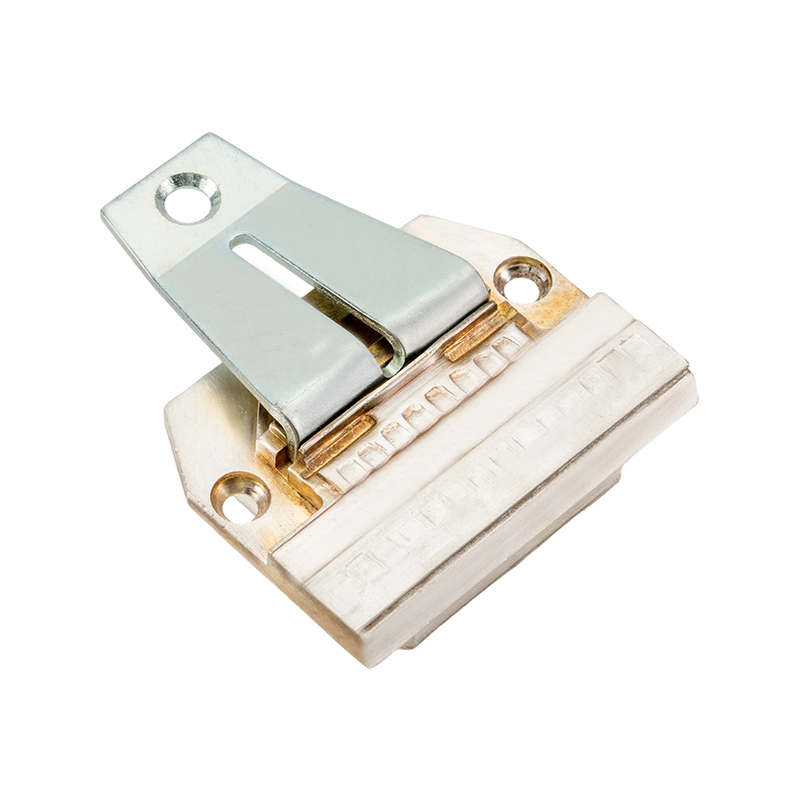
We are equipped with: A full range of welding machines Various riveting equipment Multiple assembly lines Complete testing equipment These assemblies are compatible with products from leading internat...
See Details -
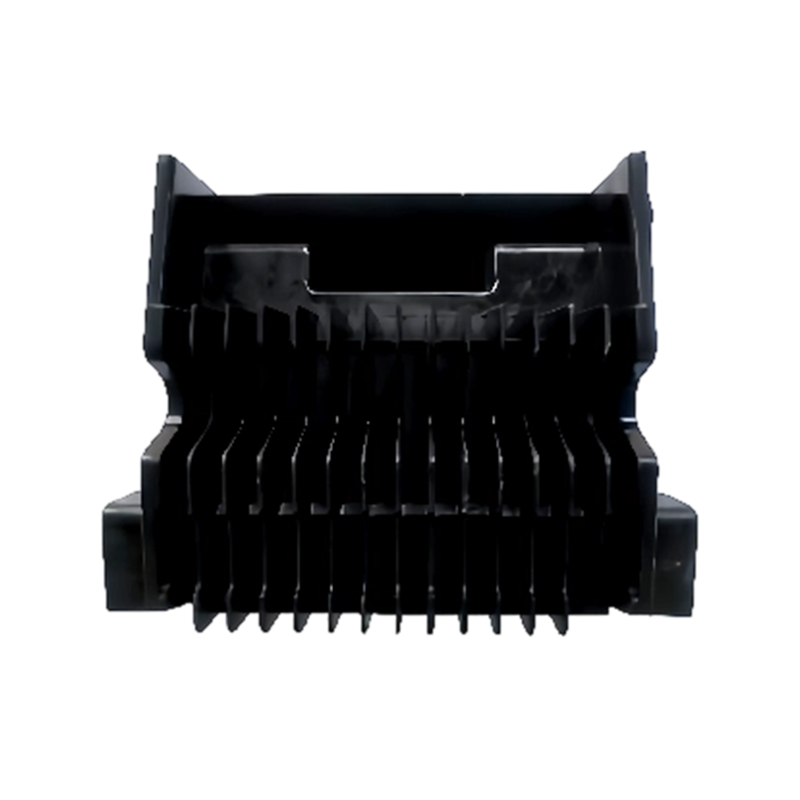
We are equipped with: A full range of welding machines Various riveting equipment Multiple assembly lines Complete testing equipment These assemblies are compatible with products from leading internat...
See Details

Copyright @ Kaiyuanfeng Electrical Machinery Manufacturing Co.,Ltd All Rights Reserved.
OEM MCCB Accessories Manufacturer
ISO Certified Circuit Breaker Factory
