 English
  中文简体
中文简体  русский
  عربى
عربى 

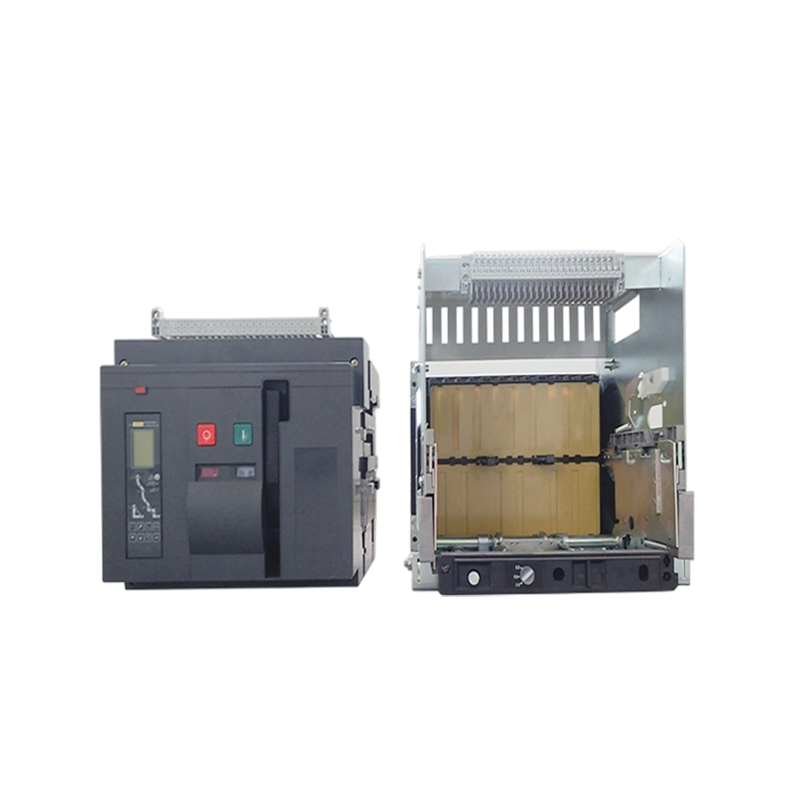
1. The circuit breaker offers safety protection, efficient arc extinguishing and interrupting, long electrical life, and short-term withstand capability. 2. The circuit breaker is available with a var...
See Details
What Is Inside a Molded Case Circuit Breaker?
Content
- 1 Common Types and Characteristics of MCCB Components
- 2 Working Principle and Structural Insights
- 3 Application Scenarios and Selection Criteria for MCCB Components
- 4 Detailed Comparison of MCCB Component Configurations
- 5 Maintenance Best Practices for MCCB Components
- 6 Frequently Asked Questions (FAQ) About Universal MCCB Components
Conclusion: Universal Molded Case Circuit Breakers (MCCBs) are versatile, high-performance devices that protect electrical circuits from overloads and short circuits. Their components—including the frame, operating mechanism, arc extinguisher, contacts, and trip unit—work in concert to provide reliable protection. Understanding these components is essential for proper selection, maintenance, and troubleshooting, ensuring the safety and efficiency of power distribution systems. This guide provides a detailed, practical overview of MCCB components, their functions, and their significance in various applications.
Common Types and Characteristics of MCCB Components
Molded Case Circuit Breakers are distinguished by their robust construction and the variety of components they utilize to ensure safety and reliability. The main components can be categorized into several key types, each with specific characteristics that influence their performance in electrical systems.
Frame and Enclosure
The frame, or molded case, is the structural foundation of the MCCB. It provides insulation and protection for all internal components. Typically made from glass-polyester or thermoset composite resins, the frame offers high dielectric strength and mechanical durability. This design ensures compactness while maintaining ruggedness for demanding environments. The frame also houses the rating plug, which defines the maximum current capacity and is a key component for system customization.
Operating Mechanism
The operating mechanism is responsible for the manual or automatic opening and closing of the contacts. It features a "quick-make, quick-break" action, where the speed of contact operation is independent of the handle's movement speed, ensuring rapid switching. It is also "trip-free," meaning the breaker cannot be held in the "ON" position during a fault, providing a critical safety feature. Some designs include a push-to-trip mechanism for manual testing of the device's function.
Arc Extinguishing Chamber
The arc extinguisher is a vital component designed to contain, divide, and quench the electrical arc that forms when contacts separate under load. It typically consists of a stack of steel plates. The arc is drawn into this stack, where it is cooled, elongated, and eventually extinguished, preventing damage to the breaker and the connected equipment. Some designs may use a "blow-apart" force to assist in this process.
Contacts and Conducting Paths
The contact system, comprising fixed and movable contacts, is responsible for carrying current and breaking the circuit. Materials are chosen for low electrical resistance and resistance to welding under fault conditions. The configuration of these contacts can vary; some designs use a "reverse loop" to create magnetic repulsion that assists in rapid contact opening during short circuits, which is a feature of the modern universal MCCB.
Trip Units
The trip unit is the "brain" of the MCCB, sensing overcurrent conditions and triggering the operating mechanism to open the circuit. Traditional MCCBs use electromechanical thermal-magnetic trip units. However, the universal application of MCCBs often involves electronic trip units, which provide more sophisticated protection, monitoring, and selectivity. Electronic trip units are unaffected by temperature changes and can offer zone-selective interlocking (ZSI) for improved system coordination.
Key Takeaway: Each MCCB component plays a specific, critical role, from the insulating frame to the intelligent trip unit, ensuring comprehensive protection and reliability for low-voltage electrical systems.
Working Principle and Structural Insights
The universal operation of an MCCB is based on the seamless interaction of its components. In normal operation, current flows from the line terminals, through the fixed and closed contacts, and out to the load. Under fault conditions, the trip unit detects the overcurrent and releases a stored energy mechanism that opens the contacts. The speed and reliability of this process are governed by the structural design of each component.
This diagram illustrates a typical MCCB layout, highlighting the strategic placement of key components. The trip unit is centrally located to react quickly to faults, while the arc chute is positioned directly adjacent to the contacts to immediately confine and extinguish arcs. The rugged molded case provides both structural integrity and electrical insulation.
The effectiveness of an MCCB depends on the synergy between these components. For instance, the electromagnetic force generated by the current during a short circuit can assist the operating mechanism, a feature that is enhanced by the structural design of the contact system and arc chute. This integrated approach ensures that universal MCCBs perform reliably across a wide range of applications.
Key Takeaway: The structured integration of components, from the contacts to the trip unit, allows MCCBs to provide rapid, coordinated protection against various fault conditions.
Application Scenarios and Selection Criteria for MCCB Components
The selection of MCCB components is driven by the specific demands of the application. Key factors include the current rating, interrupting capacity, and the type of protection required. Universal MCCBs are found in a wide range of settings, from industrial plants to commercial buildings, each with unique requirements.
Industrial ApplicationsMCCBs are extensively used in motor control centers, switchgear, and main distribution panels in factories and processing plants. They are also employed in critical infrastructure such as data centers and healthcare facilities, where reliability is paramount. The robust design of MCCB components makes them ideal for high-duty cycles and challenging environmental conditions. |
Commercial and InfrastructureIn commercial buildings, MCCBs are often the main circuit breakers for distribution boards and sub-panels. Their adjustable trip settings allow for coordination with downstream MCBs, reducing the impact of faults. They are also used in renewable energy systems, such as solar inverters and battery storage systems, providing essential protection. |
Key Selection Criteria
Selecting the right MCCB and its components involves a careful analysis of the electrical system:
- Continuous Current Rating (In): Must be higher than the maximum load current to prevent nuisance tripping.
- Interrupting Capacity (Icu/Ics): Must be sufficient to clear the maximum available short-circuit current at the point of installation.
- Trip Unit Type: Choose between thermal-magnetic for standard applications or electronic for advanced protection and communication.
- Frame Size: Select the frame size that accommodates the required current rating and accessories.
For example, a facility with high inrush currents from motors would benefit from an MCCB with an electronic trip unit that offers adjustable time-current curves. Data from industry reports indicate that proper selection can improve system uptime by over 30%.
Key Takeaway: The application dictates the choice of MCCB components; understanding the load profile and fault current levels is essential for optimal selection.
Detailed Comparison of MCCB Component Configurations
MCCBs are not a one-size-fits-all solution; their components can be configured to meet diverse requirements. The table below compares common component configurations, highlighting their differences in key performance areas.
The following chart provides a visual comparison of three common MCCB configurations based on five critical attributes: protection level, coordination capability, communication, durability, and size. The chart is a qualitative representation to help engineers quickly assess relative strengths.
This chart clearly demonstrates the evolution of MCCB capabilities. The basic thermal-magnetic configuration offers high durability and coordination but lacks communication. The introduction of electronics significantly improves protection and coordination, while advanced models with communication capabilities extend this to connectivity, albeit with a slight trade-off in compactness.
The comparison reveals that the choice of components is a balance of priorities. For critical applications where coordination with upstream and downstream devices is vital, an electronic trip unit with adjustable settings and communication is preferred. In less complex environments, a robust thermal-magnetic unit is a cost-effective and reliable choice. This data helps engineers and procurement specialists make informed decisions.
| Feature | Thermal-Magnetic | Electronic Basic | Electronic Advanced |
|---|---|---|---|
| Protection | Fixed Thermal, Fixed Magnetic | Adjustable Thermal, Fixed Mag | Fully Adjustable (LSIG) |
| Coordination (Selectivity) | Poor | Good | Excellent (ZSI) |
| Communication | Not Available | Limited (via COM20/21) | Advanced (PROFIBUS, Modbus) |
| Durability | High | High | High |
| Typical Use | Sub-distribution, Motor Protection | Main Switchboards, Industrial | Smart Grid, Critical Infrastructure |
Key Takeaway: The choice between thermal-magnetic, basic electronic, and advanced electronic configurations involves a trade-off between simplicity, protection functionality, and system integration capabilities.
Maintenance Best Practices for MCCB Components
Proper maintenance is critical to ensure the long-term reliability and safety of MCCBs. A comprehensive maintenance program should focus on the key components, identifying issues before they lead to failures. Jiangsu Kaiyuanfeng Electrical Machinery Manufacturing Co., Ltd., a manufacturer of key circuit breaker components, emphasizes the importance of high-quality, corrosion-resistant materials like copper in maintaining reliable connections, supporting the longevity of MCCB assemblies.
Visual Inspection
Regular visual inspections should include checking for signs of overheating (discoloration), physical damage to the casing, and any foreign objects. Inspect the terminals for tightness and corrosion, as loose connections can cause localized heating and failure. According to industry best practices, thermal imaging can be a useful tool to identify hot spots in live panels.
Electrical Testing
Periodic electrical testing is essential. This involves testing the insulation resistance and performing a trip test to verify the calibration of the trip unit. For electronic trip units, it is crucial to check battery or capacitor backup systems to ensure the device can trip even without control power. Primary injection testing can validate the entire breaker's performance under simulated fault conditions.
Component-Specific Maintenance
The operating mechanism should be inspected for smooth operation. Any signs of sticking or unusual resistance should be investigated. Arc chutes should be checked for damage or excessive carbon deposits; in some cases, they may need replacement. The contacts should be inspected for wear or pitting, as severely worn contacts can increase resistance and affect performance. The internal components, such as the contact spring shield and handle return spring, are critical for reliable operation and should be regularly inspected.
- Ensure the operating mechanism is free and clear of obstructions.
- Check the arc chute for damage; replace if necessary.
- Inspect contacts for pitting and wear; a contact resistance test can be performed.
- For electronic units, verify the rating plug is correctly installed and not damaged.
Key Takeaway: A proactive maintenance schedule that focuses on visual checks and periodic electrical testing of MCCB components can extend the operational life of the equipment and prevent costly downtime.
Frequently Asked Questions (FAQ) About Universal MCCB Components
What is the primary function of the trip unit in an MCCB?The trip unit is the brain of the MCCB. It senses the electrical current and, in the event of a prolonged overload or a short circuit, it sends a signal to the operating mechanism to open the contacts and interrupt the fault current. There are two main types: thermal-magnetic and electronic. |
How does the arc extinguisher work?When the contacts open, an arc is generated. The arc extinguisher, often a stack of steel plates, confines this arc and divides it. As the arc passes through the plates, it is cooled and the gases are de-ionized, which eventually extinguishes the arc safely. |
What is the significance of the "trip-free" mechanism?The "trip-free" mechanism ensures that the breaker cannot be manually held in the "ON" position if a fault condition exists. This is a critical safety feature that prevents the operator from overriding the protection and potentially causing damage or injury. |
What is a rating plug and how does it relate to MCCB components?A rating plug is a component of the trip unit, especially in electronic MCCBs. It defines the maximum current rating of the breaker for that particular frame. By changing the rating plug, the same MCCB frame can be used for different current levels, providing versatility in system design. |
How important is the quality of contacts in an MCCB?The contact quality is paramount. Contacts must have low electrical resistance to avoid overheating and be made from materials that resist welding under fault conditions. Their proper operation is essential for the MCCB to function reliably. Manufacturers like Jiangsu Kaiyuanfeng emphasize the use of high-quality materials in key components. |
Key Takeaway: A thorough understanding of these fundamental questions about MCCB components empowers professionals to make better decisions regarding selection, operation, and maintenance.
Previous Post
What Are Circuit Breaker Contacts and How Do They Work?
Next Post
What Is a Low Voltage Circuit Breaker?
Related products
-
-
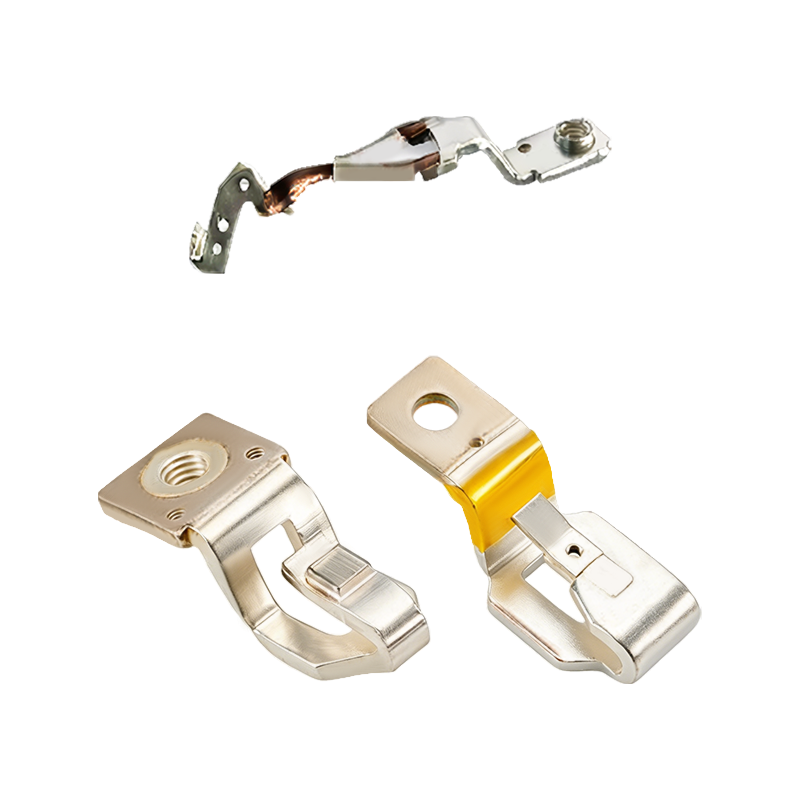
We are equipped with: A full range of welding machines Various riveting equipment Multiple assembly lines Complete testing equipment These assemblies are compatible with products from leading internat...
See Details -
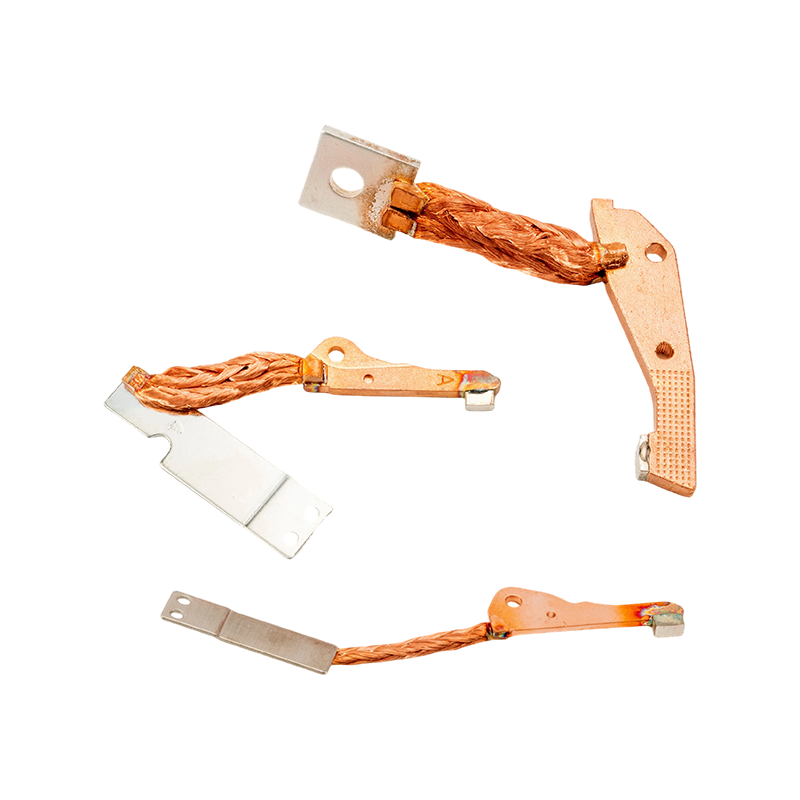
We are equipped with: A full range of welding machines Various riveting equipment Multiple assembly lines Complete testing equipment These assemblies are compatible with products from leading internat...
See Details -
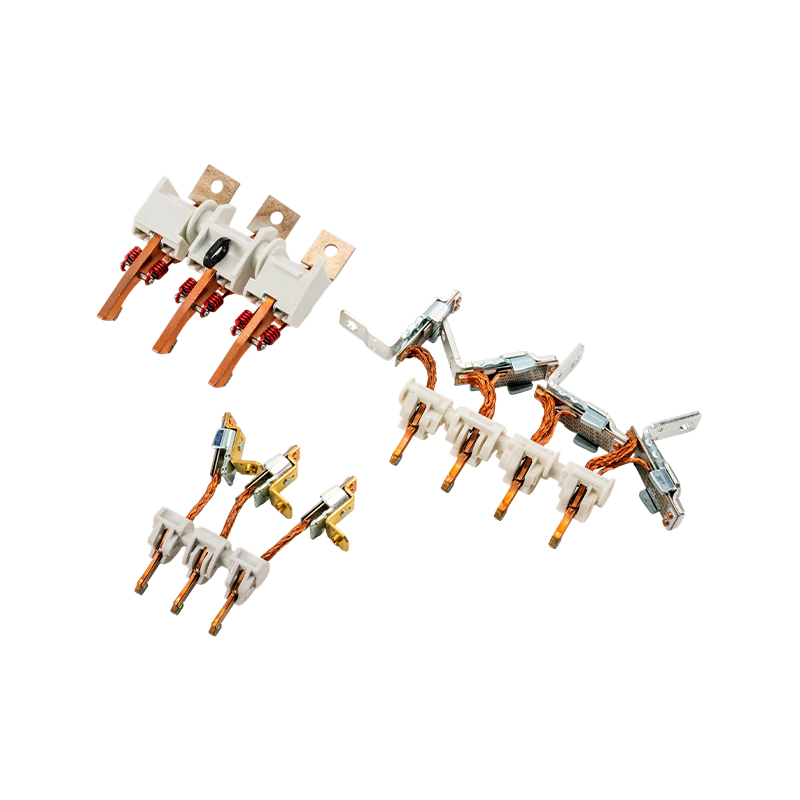
We are equipped with: A full range of welding machines Various riveting equipment Multiple assembly lines Complete testing equipment These assemblies are compatible with products from leading internat...
See Details -
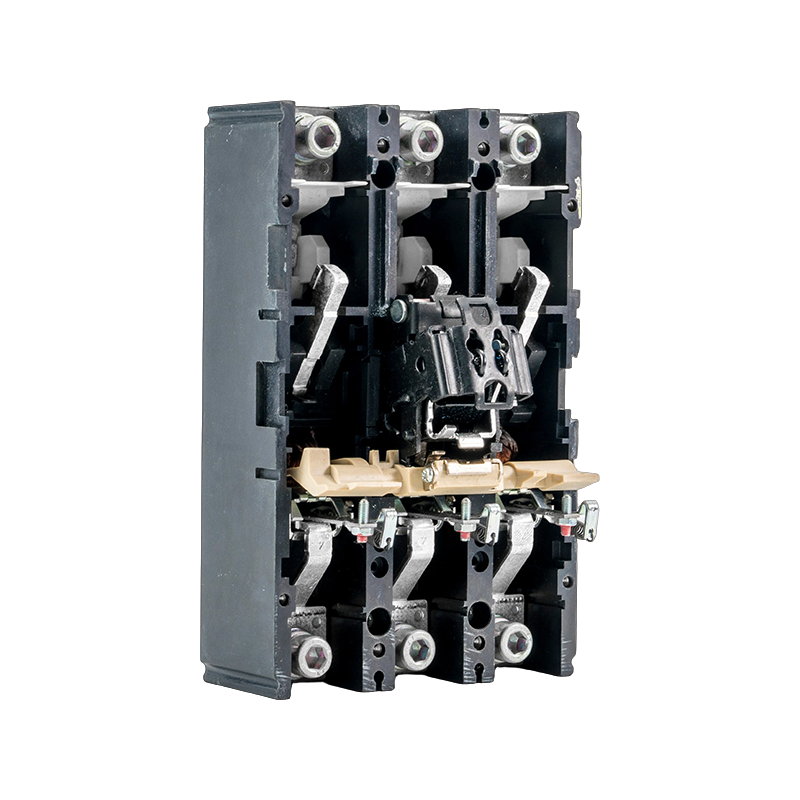
We are equipped with: A full range of welding machines Various riveting equipment Multiple assembly lines Complete testing equipment These assemblies are compatible with products from leading internat...
See Details -
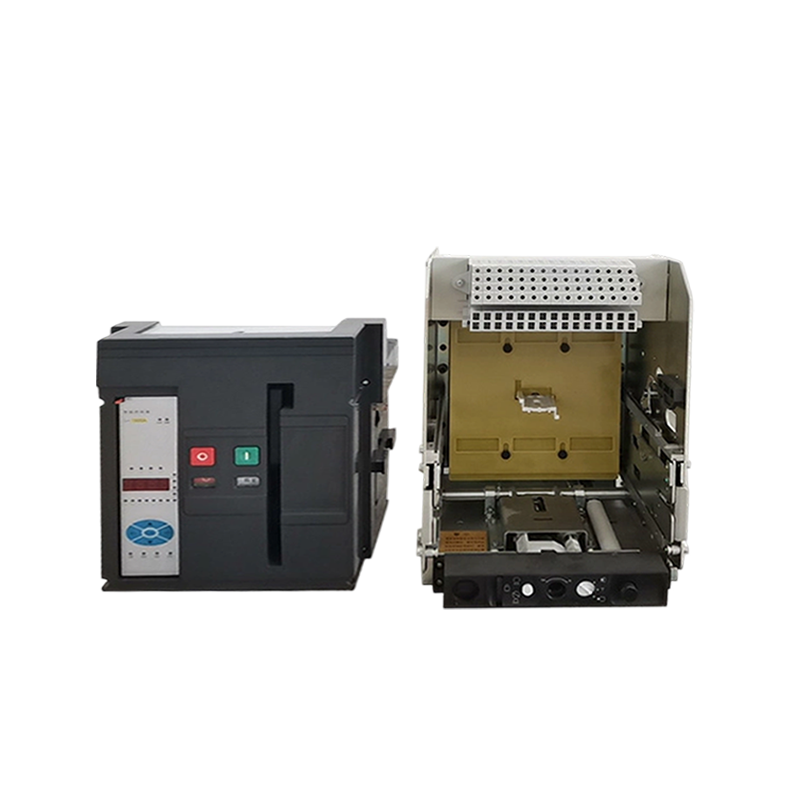
1.The circuit breaker provides safety protection, arc extinguishing, and interrupting functions, with defined electrical life and short-circuit withstand capability. 2.Multiple controller options are ...
See Details

Copyright @ Kaiyuanfeng Electrical Machinery Manufacturing Co.,Ltd All Rights Reserved.
OEM MCCB Accessories Manufacturer
ISO Certified Circuit Breaker Factory
