 English
  中文简体
中文简体  русский
  عربى
عربى 

Featuring a simple structure with central operation and linkage-type transmission, this mechanism is compatible with three handle styles. It works with 63/100/250/400/630 frame molded case circuit bre...
See Details
Overcurrent Protection for MCCB and ACB Systems: A Complete Practical Guide
Content
- 1 What Is Overcurrent Protection?
- 2 Overcurrent Conditions: Overload vs. Short Circuit
- 3 Types of Overcurrent Protection Devices
- 4 Overcurrent Protection Standards and Ratings
- 5 Inside a Molded Case Circuit Breaker
- 6 Selecting Overcurrent Protection: Key Considerations
- 7 Frequently Asked Questions About Overcurrent Protection
- 7.1 Q1: What is overcurrent protection?
- 7.2 Q2: What is the difference between overload and short circuit?
- 7.3 Q3: How does a molded case circuit breaker provide overcurrent protection?
- 7.4 Q4: What are the common types of overcurrent protection devices?
- 7.5 Q5: What is short-circuit breaking capacity (Icu)?
- 7.6 Q6: How do I choose between a fuse and a circuit breaker?
When a 100 A molded case circuit breaker trips unexpectedly on a factory floor, the first question is usually why it happened. The answer often lies in overcurrent protection: a system designed to detect excessive current and interrupt the circuit before wires overheat or equipment is damaged. Overcurrent protection is not an optional accessory; it is the backbone of electrical safety in low-voltage distribution. This article explains how overcurrent protection works, how the main device types compare, and what to consider when selecting protection components for circuit breaker and switchgear assemblies.
What Is Overcurrent Protection?
Overcurrent protection (OCP) is any device or method that automatically interrupts current flow when the current exceeds the rating of the circuit or the equipment. The term covers two distinct phenomena: overload and short circuit. An overload is a sustained current slightly above the rated value, often caused by too many loads or a stalled motor. A short circuit is a much more severe event, where current bypasses the normal load path and can reach thousands of amperes in a fraction of a second. According to IEC 60947-2 and NEC Article 240, protection devices must be able to clear both conditions, but each requires a different response time and fault level.
The time-current curve of a protective device defines how quickly it acts at a given current. For a molded case circuit breaker (MCCB), this curve typically has three zones: long-delay overload protection, short-delay fault protection, and instantaneous short-circuit protection. The correct combination of these zones allows a breaker to ride through normal inrush currents while still reacting to dangerous faults.
Overcurrent Conditions: Overload vs. Short Circuit
Understanding the difference helps with selecting the right protection curve. Overload currents typically run 1.1 to 1.5 times the rated current, and the protection device should allow the equipment to operate for a short period without nuisance tripping. For example, a 100 A motor circuit may carry 130 A for several seconds on startup. Short-circuit currents, on the other hand, can reach 6 to 20 times the rated current or more, and the protection device must interrupt instantly to prevent arc flash and damage.
As the chart shows, fuses and GFCI devices react fastest, while relays can be adjusted for longer operating times. The actual curve depends on the device rating and the manufacturer's time-current characteristic. For an MCCB, the mechanical trip unit or electronic trip unit determines the exact overload and short-circuit response.
Types of Overcurrent Protection Devices
There are several devices that provide overcurrent protection, each with a specific role in a power system.
Circuit Breakers
Molded case circuit breakers and air circuit breakers are the most common protection devices in low-voltage systems. They combine overload protection, short-circuit protection, and manual disconnection in one unit. Inside a breaker, overcurrent sensing relies on trip units, which can be thermal-magnetic or electronic. When a fault current flows, the trip unit releases the operating mechanism and the contacts separate to interrupt the circuit. The breaker can also be enhanced with internal accessories such as a shunt release for remote tripping or an undervoltage release for voltage-drop protection.
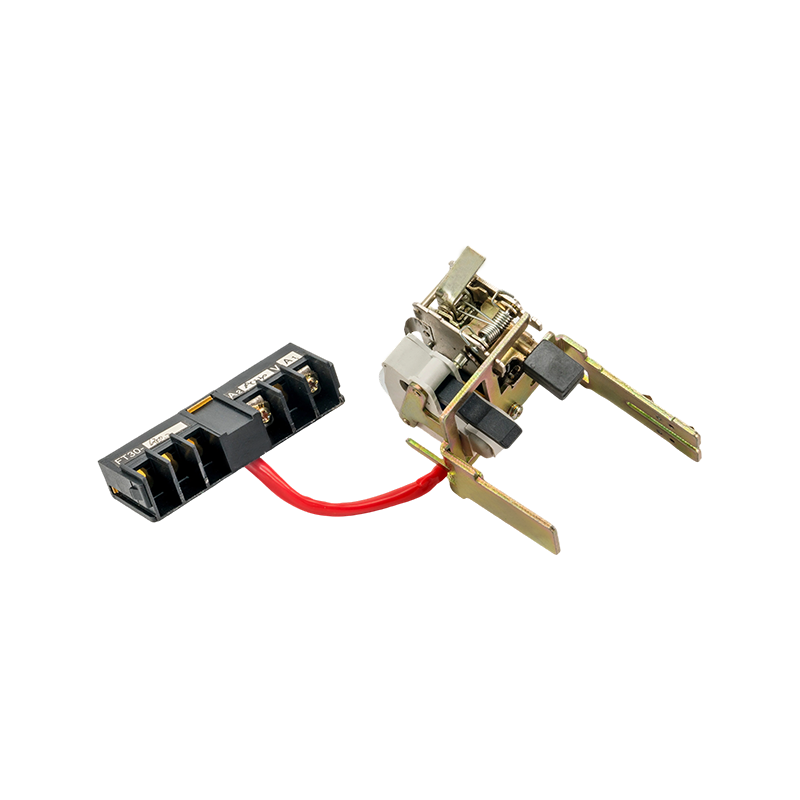 Shunt Release for Molded Case Circuit BreakersDesigned for remote tripping of MCCBs, this shunt release operates electromagnetically at rated voltages. It integrates with the breaker's trip unit, enabling emergency shutdown or control from a distance.View Product →
Fuses
Fuses provide overcurrent protection by melting an internal element when current exceeds a specific value. They are simple, reliable, and have a very fast response under short-circuit conditions. However, after operation, a fuse must be replaced, which increases downtime.
Relays
Protective relays are used in larger electrical systems, where they monitor current and send a trip signal to a breaker. They allow coordinated protection with adjustable time delays. In medium-voltage switchgear, the trip signal may be sent to a vacuum breaker through a control circuit.
Ground Fault Interrupters
GFCIs and RCDs detect leakage current and interrupt the circuit to protect against electric shock. In industrial environments, residual current modules are often fitted to MCCBs. A dedicated RCD leakage protection module can be integrated into an MCCB assembly to combine overcurrent and earth-leakage protection.
Overcurrent Protection Standards and Ratings
Standards define how overcurrent protection devices are tested and rated. The key ratings are the rated current, the short-circuit breaking capacity, and the tripping characteristics. For the North American market, NEC Article 240 covers the general requirements for overcurrent protection, while UL 489 governs molded case circuit breakers. In the international environment, IEC 60947-2 sets the performance requirements for low-voltage switchgear and controlgear.
| Standard | Overload Protection | Short-Circuit Protection |
|---|---|---|
| IEC 60947-2 | Thermal or electronic trip unit, adjustable | Instantaneous trip, rated Icu/Ics |
| NEC Article 240 | Continuous current rating must not exceed conductor ampacity | Protective device must clear faults with sufficient interrupting rating |
| UL 489 | Must withstand 200% rated current within specified time | Must interrupt at rated breaking capacity |
In addition to these ratings, selectivity coordination is critical in power distribution. A downstream breaker should trip before an upstream breaker so that only the faulty branch is isolated. This requires matching the time-current curves of the upstream and downstream devices, especially when using relays in combination with breakers.
Inside a Molded Case Circuit Breaker
The performance of a molded case circuit breaker depends on a few critical components: the moving and stationary contacts, the arc chute, the insulated base frame, and the trip unit. When a short-circuit current occurs, the contacts must separate and the arc must be extinguished quickly. The arc chute divides the arc into smaller segments and increases the arc voltage, while the contacts are designed to minimize wear and withstand repeated operations.
Our molded case circuit breaker components are manufactured to support these critical functions. The complete moving contact assembly uses a silver alloy contact surface that resists arc erosion, and the arc chute assembly is designed with verified geometry to extinguish arcs quickly, reducing the let-through energy under short-circuit conditions.
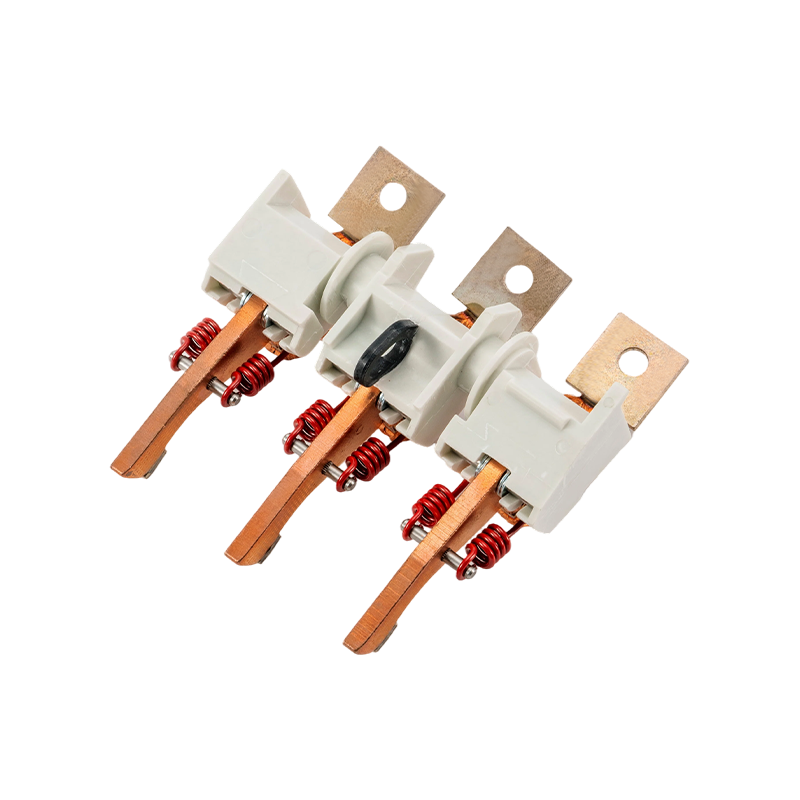 Moving Contact Assembly for Molded Case Circuit BreakersThis assembly features silver alloy contacts for arc erosion resistance, ensuring reliable performance during short circuits. It is a critical component for maintaining breaker breaking capacity.View Product →
Similarly, the stationary contact assembly and the insulated base frame must hold tolerances tightly so that the breaker consistently meets its breaking capacity rating. For higher current versions, frame-level moving contact assemblies and arc chutes are used in air circuit breakers up to 6300 A.
Selecting Overcurrent Protection: Key Considerations
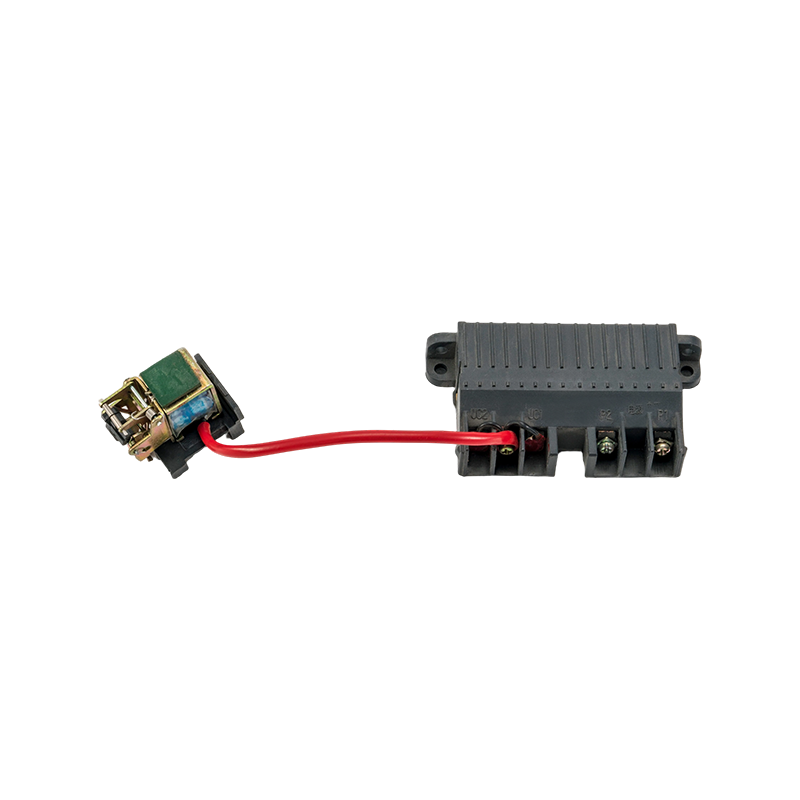 Undervoltage Release for Molded Case Circuit BreakersThis device trips the breaker when voltage drops below a threshold, protecting equipment from damage due to under-voltage conditions. It supports various rated voltages and mounts internally.View Product →
Choosing the right overcurrent protection begins with knowing the circuit load and the available fault current. First, determine the circuit ampacity and the continuous current rating of the breaker. Next, verify the short-circuit breaking capacity is greater than the maximum prospective short-circuit current at the installation point. For a motor circuit, the protection must allow the inrush current without tripping, so a more adjustable trip unit may be required.
Also consider the need for internal accessories such as auxiliary contacts, alarm contacts, and shunt or undervoltage releases, which extend the breaker's monitoring and control functions. Temperature derating matters: a 100 A breaker installed in a 50°C enclosure may need to be derated or equipped with a higher-rated trip unit. Finally, selectivity between upstream and downstream devices should be coordinated so that the faulty branch is isolated without affecting the rest of the system. When voltage dips are a concern, an undervoltage release can provide an additional layer of protection by tripping the breaker if the supply voltage falls below a set threshold.
Frequently Asked Questions About Overcurrent Protection
Q1: What is overcurrent protection?
Overcurrent protection is a system or device that interrupts current flow when it exceeds the rated limit, preventing damage to conductors, equipment, and personnel.
Q2: What is the difference between overload and short circuit?
Overload is a sustained moderate overcurrent, while short circuit is a sudden, huge current surge caused by a fault that bypasses the load path.
Q3: How does a molded case circuit breaker provide overcurrent protection?
An MCCB uses thermal or electronic trip units to sense overcurrent and trip the mechanism, opening the contacts and extinguishing the arc inside the breaker.
Q4: What are the common types of overcurrent protection devices?
Fuses, circuit breakers, relays, and ground fault interrupters are the most common types used in electrical systems.
Q5: What is short-circuit breaking capacity (Icu)?
Icu is the maximum fault current a breaker can interrupt without permanent damage or loss of function, as verified by standard tests.
Q6: How do I choose between a fuse and a circuit breaker?
Select fuses for very high fault levels and simplicity; choose breakers for reusability, flexibility, and selectable protection curves.
Previous Post
Types of Circuit Breakers Explained: MCB, MCCB, ACB and Internal Components
Next Post
What Are Circuit Breaker Contacts and How Do They Work?
Related products
-
-
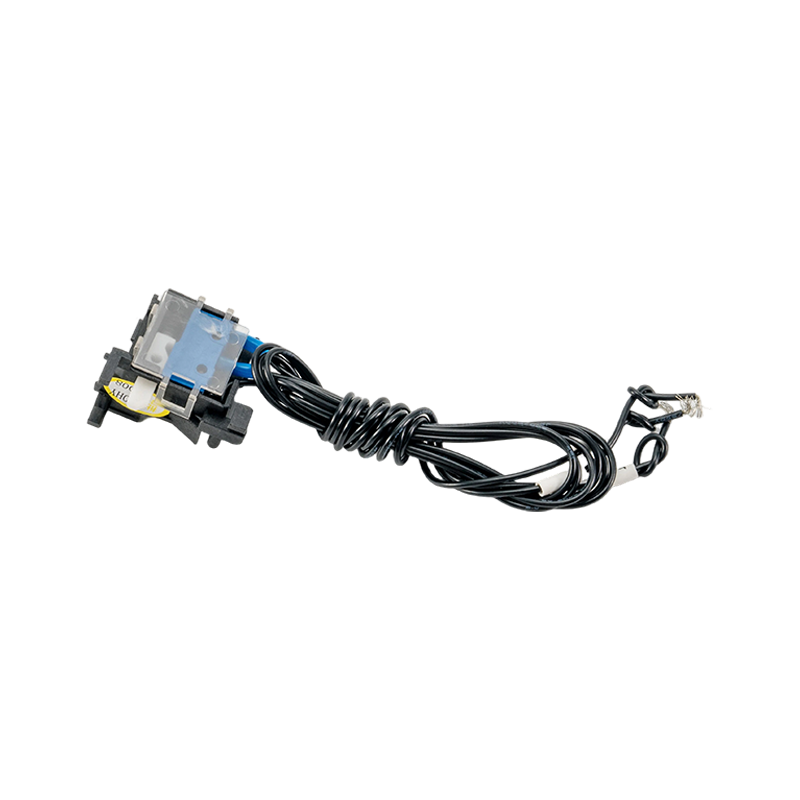
Auxiliary contacts are key components in electrical control systems, widely used with circuit breakers and status indicators. The FC30-63/100/225/400/630/800 auxiliary contact features reliable perfor...
See Details -
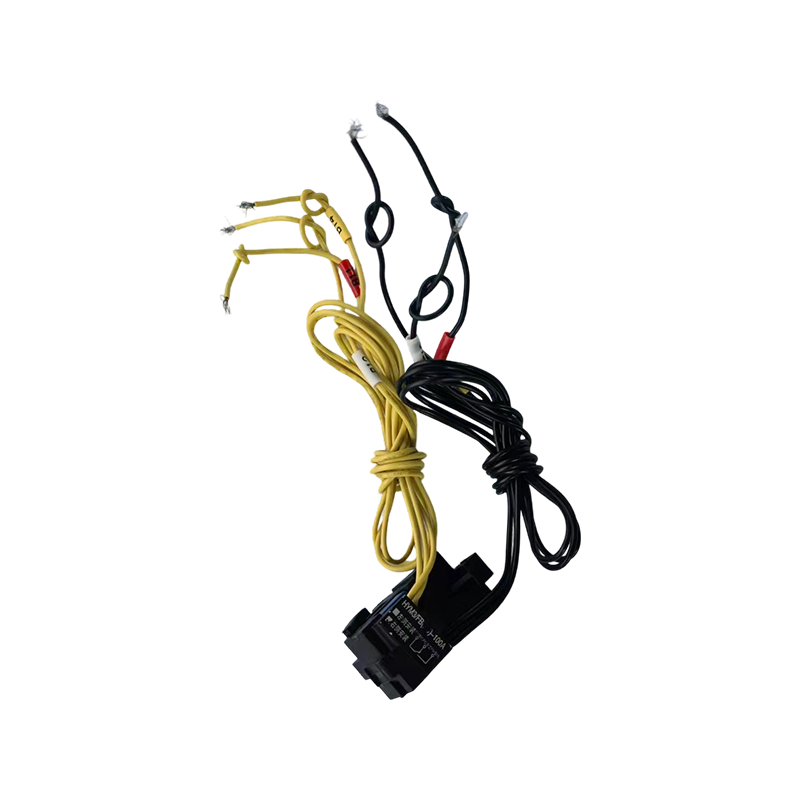
Simple structure with modular design for easy installation.Features micro-switch operation for reliable performance, and supports both left and right mounting positions. It is compatible with 63/100/2...
See Details -
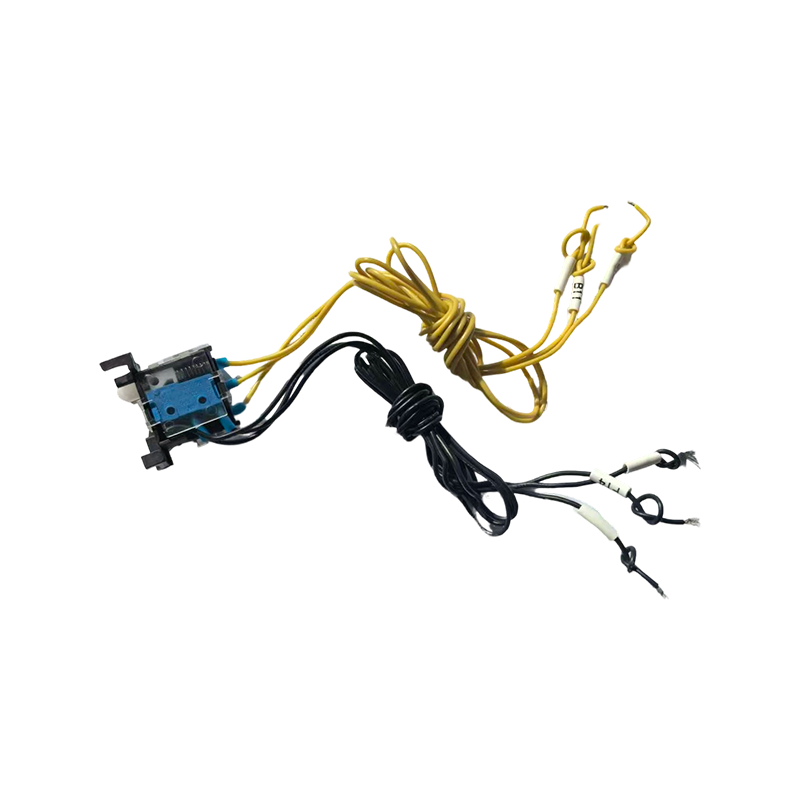
Simple structure with integrated internal mounting.Uses micro-switch operation for reliable performance, and supports both left and right mounting positions. It is compatible with 63/100/225/400/630/8...
See Details -
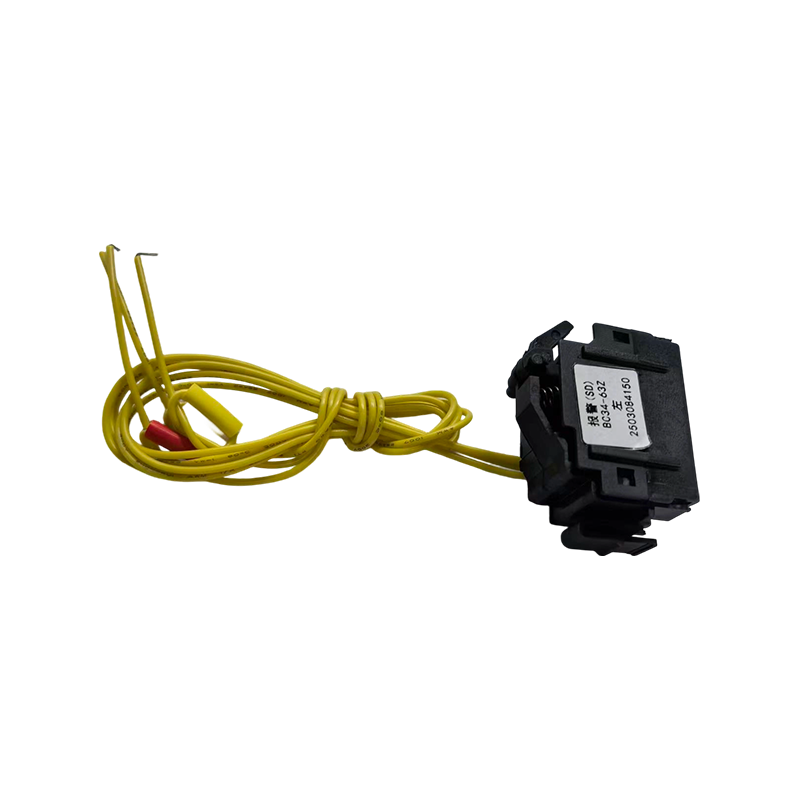
Simple structure with modular design for easy installation.Features micro-switch operation for reliable performance, and supports both left and right mounting positions. It is compatible with 63/100/2...
See Details -
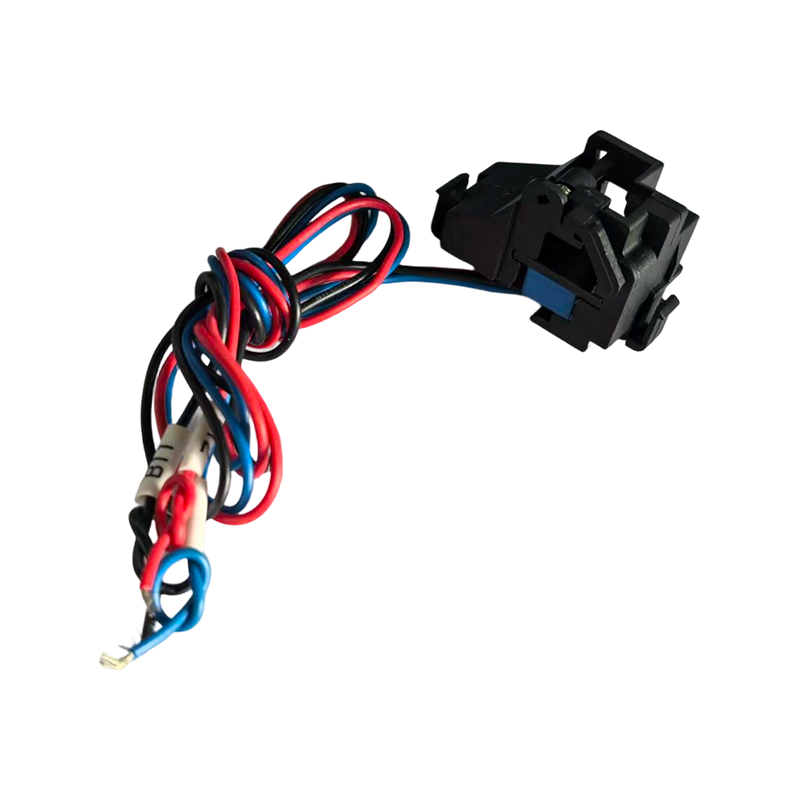
Simple structure with modular design for easy installation.Features micro-switch operation for reliable performance, and supports both left and right mounting positions. It is compatible with 63/100/2...
See Details

Copyright @ Kaiyuanfeng Electrical Machinery Manufacturing Co.,Ltd All Rights Reserved.
OEM MCCB Accessories Manufacturer
ISO Certified Circuit Breaker Factory
