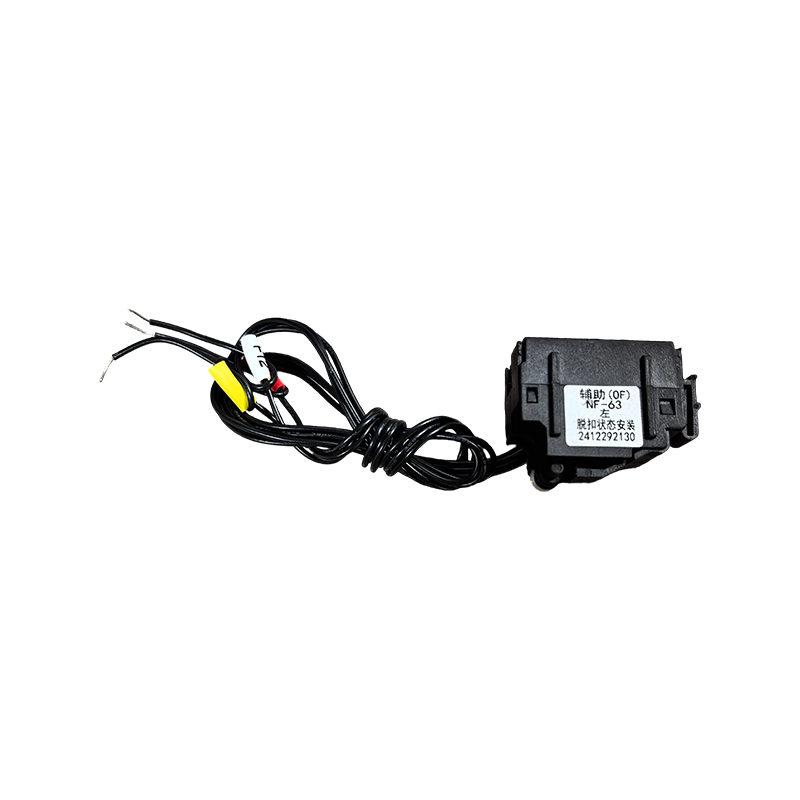
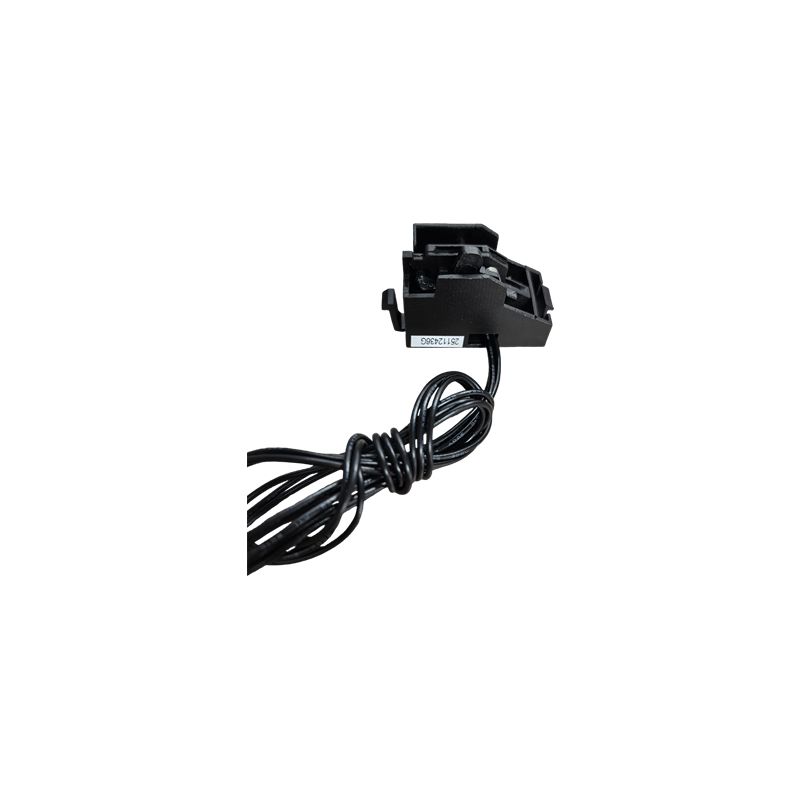
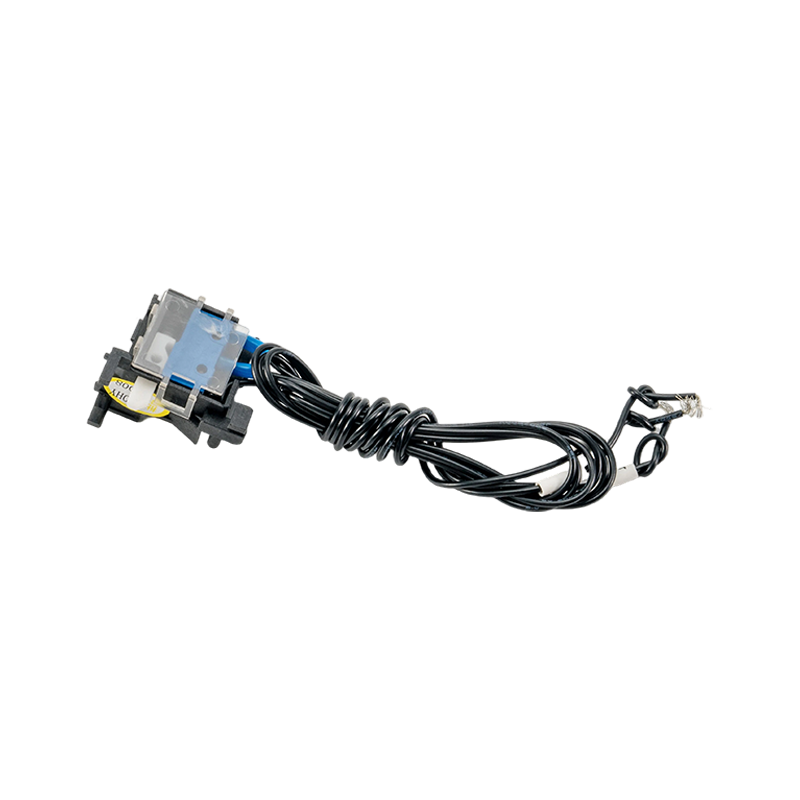
1. What Are Molded Case Circuit Breakers Internal Accessories?
Molded Case Circuit Breakers Internal Accessories are essential actuator mechanisms installed inside MCCB units to improve their control capability, protection performance, and intelligent management functions. Unlike basic circuit breakers that only provide manual operation and overcurrent protection, modern MCCB systems require internal accessories to support remote operation, automation integration, fault indication, and advanced electrical management.
With the rapid development of smart factories, renewable energy systems, EV charging infrastructure, and industrial automation, MCCBs are increasingly required to provide more than traditional circuit protection. Internal accessories allow operators to monitor and control electrical systems efficiently while improving safety and reducing downtime.
The internal accessories of a Molded Case Circuit Breaker (MCCB) are actuator mechanisms integrated within the breaker, designed to enable remote operation, automation, intelligent control, as well as information-based and systematic management of the circuit breaker.
2. Main Types of MCCB Internal Accessories
(1) Undervoltage Release (UVR)
The Undervoltage Release (UVR) is designed to automatically trip the MCCB when the supply voltage drops below a preset value. It protects electrical equipment from unstable voltage conditions and prevents unexpected restart after power recovery.
For example, in industrial production lines, sudden voltage drops can damage motors, control systems, and sensitive electronic equipment. A UVR helps disconnect the circuit when voltage abnormalities occur, improving system reliability.
(2) Shunt Release (SHR)
The Shunt Release (SHR) enables remote tripping of an MCCB through an external control signal. It is widely used in emergency shutdown systems, fire protection equipment, and automated electrical control applications.
For large commercial buildings or factories, operators can remotely disconnect power during emergencies without physically accessing the electrical cabinet, significantly improving operational safety.
(3) Auxiliary Contact (AX)
The Auxiliary Contact (AX) provides electrical status feedback of the MCCB. It can transmit information about breaker ON/OFF conditions to monitoring systems, PLC controllers, or building management systems.
(4) Alarm Contact (AL)
The Alarm Contact (AL) is used to indicate that the MCCB has tripped due to abnormal conditions such as overload or short circuit. This allows maintenance teams to quickly identify faults and reduce troubleshooting time.
(5) Combined Auxiliary & Alarm Contact
Combined Auxiliary & Alarm Contacts integrate both operating status monitoring and fault alarm functions. They are suitable for intelligent distribution systems requiring comprehensive circuit breaker information.
3. Why Internal Accessories Are Important for Modern MCCB Systems
Modern electrical networks require higher levels of safety, automation, and efficiency. Molded Case Circuit Breakers Internal Accessories provide additional functions that improve overall electrical system performance.
- Enable remote operation and automatic control
- Improve fault detection and maintenance efficiency
- Support intelligent power distribution systems
- Enhance operator safety in industrial environments
- Reduce equipment downtime through faster fault identification
Comparison of Different MCCB Internal Accessories and Their Applications
| Accessory Type |
Main Function |
Typical Application |
| UVR |
Voltage protection |
Industrial equipment protection |
| SHR |
Remote trip control |
Emergency shutdown systems |
| AX |
Breaker status feedback |
Automation systems |
| AL |
Fault indication |
Maintenance monitoring |
4. How to Select Reliable Molded Case Circuit Breakers Internal Accessories
(1) Compatibility with MCCB Models
Internal accessories must match the specific MCCB series, rated current, installation structure, and electrical requirements. Incorrect accessories may affect breaker operation and safety performance.
(2) Manufacturing Precision
High-precision manufacturing ensures stable mechanical movement, accurate electrical contact, and long service life. Quality internal accessories are usually tested through repeated operation cycles to guarantee reliability.
(3) Quality Management System
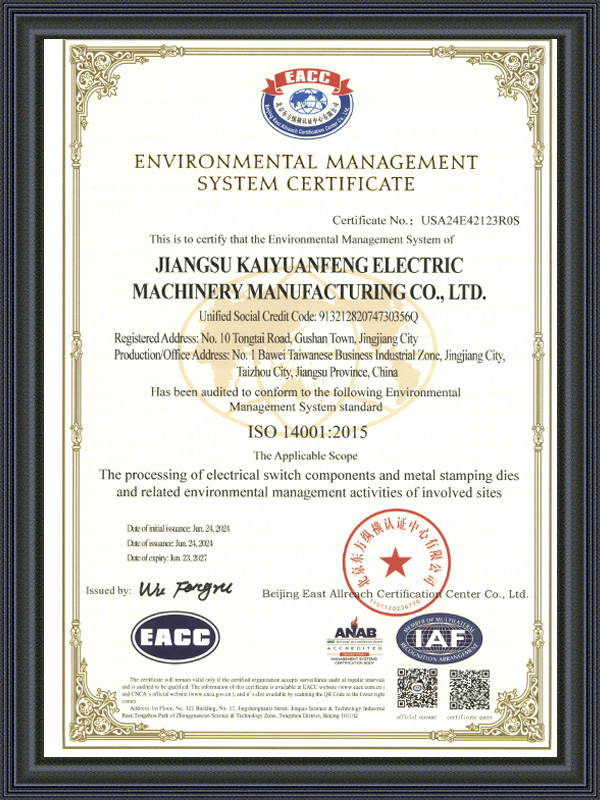
Reliable suppliers should follow international quality standards, conduct strict incoming material inspection, production monitoring, and final performance testing.
5. Jiangsu Kaiyuanfeng Electrical Machinery Manufacturing Co., Ltd.
Jiangsu Kaiyuanfeng Electrical Machinery Manufacturing Co., Ltd. was established in Taizhou in August 2013 with an initial registered capital of 5 million yuan. It is a manufacturer of key circuit breaker components, integrating R&D, design, production, sales, and service.
The company specializes in the development and manufacturing of Molded Case Circuit Breakers Internal Accessories, including Undervoltage Release (UVR), Shunt Release (SHR), Auxiliary Contact (AX), Alarm Contact (AL), and Combined Auxiliary & Alarm Contact solutions.
We adhere to the core values of "building a solid foundation through steadiness, expanding horizons via perseverance, and forging integrity with responsibility", and uphold the founding principle of "integrity, win-win collaboration, and pioneering the future".
Guided by the philosophy that technological innovation drives progress and quality service supports development, we incorporate customer requirements into every stage from R&D to manufacturing. Our innovation capability is supported by 28 related patents, helping solve key challenges in circuit breaker component development.
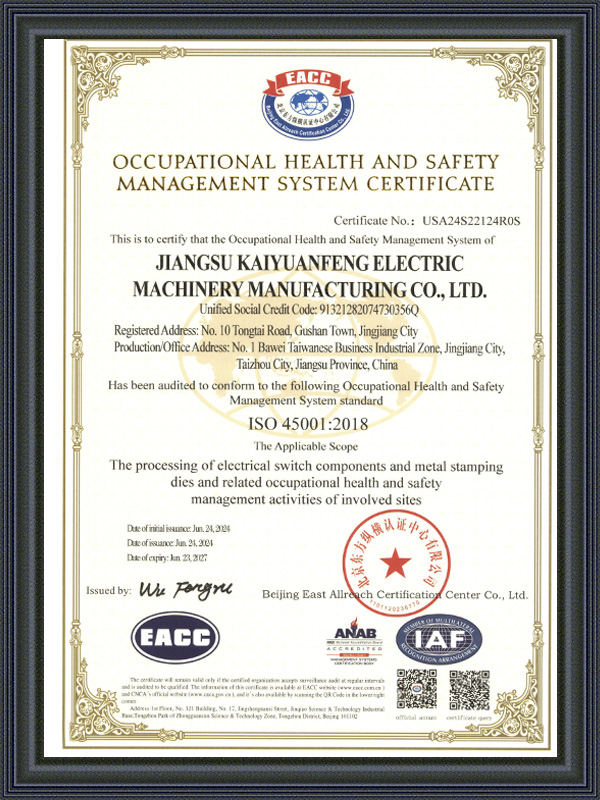
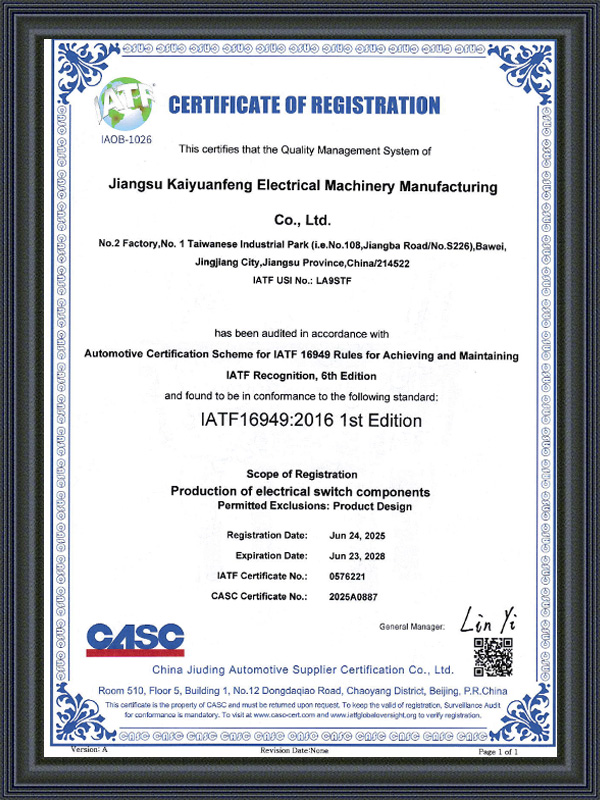
The company has obtained ISO certification and operates a management system aligned with international standards to ensure production efficiency and quality assurance. With more than a decade of industry experience, Jiangsu Kaiyuanfeng focuses on reliable products and professional service to build long-term partnerships with global customers.
Moving forward, the company aims to become a core supplier of key circuit breaker components and contribute to safer, smarter, and more efficient electrical systems worldwide.
(1) Intelligent Electrical Management
With the growth of smart grids and industrial automation, MCCB accessories are becoming more intelligent. Communication functions, remote monitoring, and digital control will continue to improve electrical management efficiency.
(2) Higher Safety Requirements
Industries such as data centers, renewable energy plants, and manufacturing facilities require MCCB products with higher reliability and faster response capabilities.
(3) Customized Solutions
OEM customization of internal accessories will continue growing as different industries require specific electrical parameters, installation methods, and intelligent control functions.
7. Frequently Asked Questions
Q1. What are Molded Case Circuit Breakers Internal Accessories?
Molded Case Circuit Breakers Internal Accessories are integrated actuator devices installed inside MCCBs to provide remote control, automation, monitoring, and intelligent management functions.
Q2. What types of internal accessories are available for MCCB?
Common MCCB internal accessories include Undervoltage Release (UVR), Shunt Release (SHR), Auxiliary Contact (AX), Alarm Contact (AL), and Combined Auxiliary & Alarm Contact.
Q3. What is the function of a Shunt Release?
A Shunt Release allows users to remotely trip the MCCB through an external electrical control signal, commonly used in emergency shutdown systems.
Q4. Why are Auxiliary Contacts used in MCCB?
Auxiliary Contacts provide breaker status feedback, allowing monitoring systems and controllers to identify whether the MCCB is open or closed.
Q5. How can buyers ensure MCCB accessory quality?
Buyers should select suppliers with manufacturing experience, quality certifications, technical capabilities, and strict inspection procedures.
Q6. Can MCCB internal accessories be customized?
Yes. Professional manufacturers can provide customized MCCB internal accessories according to breaker models, electrical requirements, dimensions, and customer specifications.

 English
  中文简体
中文简体  русский
  عربى
عربى